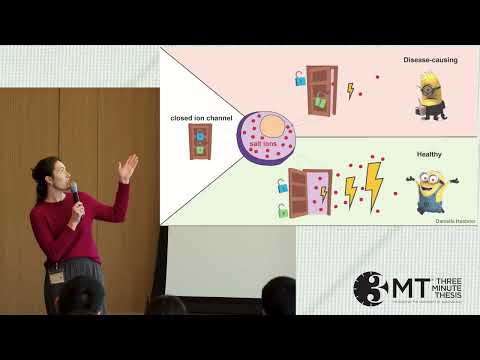
Electrical signals in the body depend on ion channels that regulate salt movement across cell membranes. When these channels malfunction, diseases like epilepsy and heart arrhythmias can occur. This research decodes how faulty ion channels work, revealing potassium-based mechanisms that could restore electrical signaling and guide new therapies.
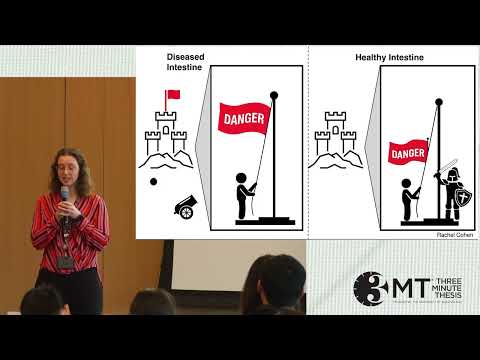
Intestinal cells protect us from harmful bacteria by forming a physical barrier and raising immune danger signals when needed. This research reveals a nuclear “knight” molecule that suppresses unnecessary immune activation during metabolic stress, helping maintain intestinal health and preventing excessive inflammation.
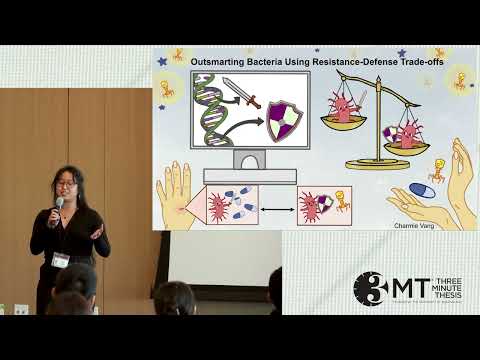
Antibiotic resistance threatens to return medicine to a pre-antibiotic era. This research uses machine learning to study how bacteria balance resistance to antibiotics and bacteriophages. By revealing genetic trade-offs between attack and defense, the work enables smarter combination therapies that exploit bacterial weaknesses and prevent otherwise deadly infections.
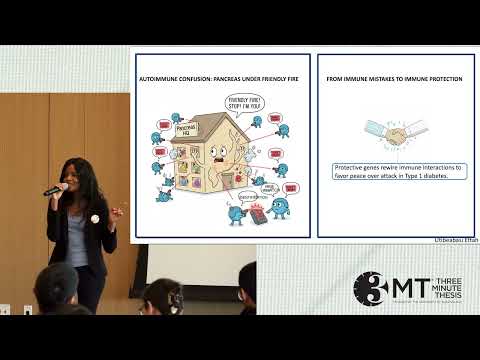
Type 1 diabetes occurs when the immune system mistakenly destroys insulin-producing cells. This research shifts focus from disease-causing genes to protective genes found in rare individuals. By examining the first immune–pancreas interaction at the atomic level, it reveals how protection rewires immune responses and offers new paths to preventing the disease.
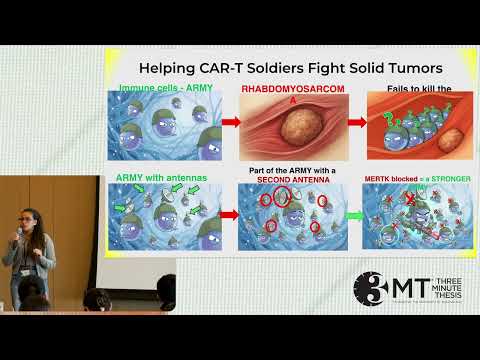
Rhabdomyosarcoma is a rare and aggressive childhood cancer that resists many treatments. This research investigates CAR T-cell therapy for solid tumors, focusing on blocking a secondary inhibitory receptor. Early findings suggest reduced immune cell exhaustion and improved tumor killing, offering hope for more effective therapies for children with limited treatment options.
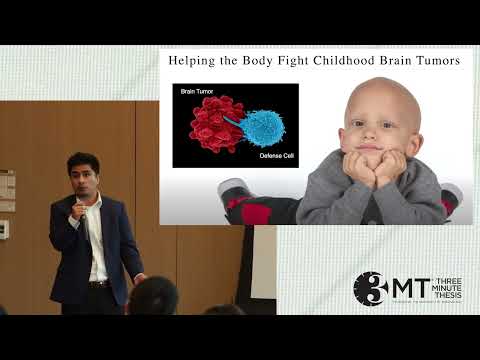
Pediatric brain tumors are the leading cause of cancer-related death in children, and current treatments are often insufficient. This research explores harnessing the immune system, particularly macrophages, to fight these tumors. Using advanced imaging and engineered immune cells, the work aims to improve tumor clearance and develop new therapeutic strategies.
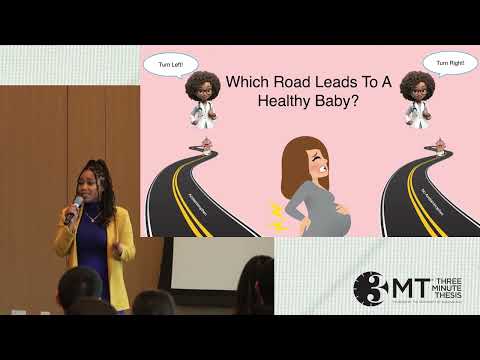
Acetaminophen is widely used in pregnancy despite limited evidence about its risks. This research examines whether acetaminophen affects birth timing and weight, who uses it and why, and how clinicians make recommendations. By mapping lived experiences, medical guidance, and outcomes, the project aims to clarify risks and support informed decision-making for families.
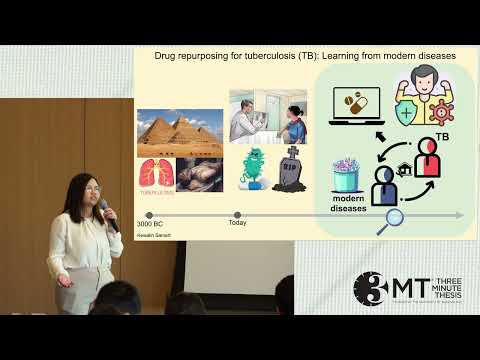
Tuberculosis remains deadly despite relying on decades-old antibiotics. This research uses computational methods to identify immune response similarities between TB and other diseases, enabling drug repurposing. By borrowing already approved treatments, this approach aims to restore immune balance, combat drug resistance, and accelerate the development of new TB therapies.
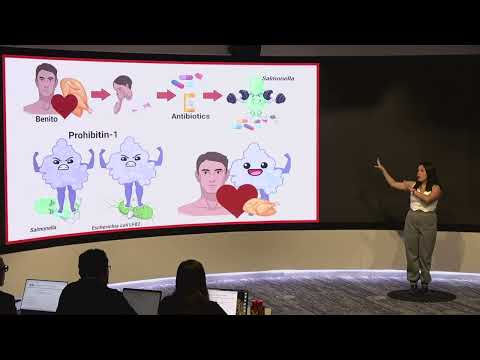
Antibiotic-resistant bacteria like Salmonella cause millions of deaths worldwide. This research explores prohibitin 1, a mitochondrial protein, as an alternative defense. Mouse studies show that higher prohibitin 1 levels protect against bacterial infections, offering a potential non-antibiotic treatment to combat infections and reduce antibiotic resistance.