
Academics and business professionals often struggle to collaborate due to cultural, linguistic, and structural differences. This research introduces the “Social Butterfly Effect,” a framework that builds mutual understanding and designs supportive networking environments. By encouraging cross-sector conversations, the model aims to spark innovation and increase the real-world impact of academic knowledge.
2025
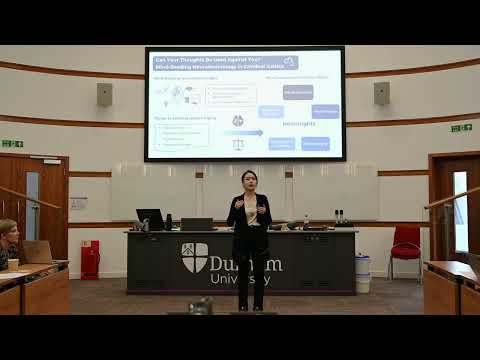
This research examines the legal risks of mind-reading neurotechnology in criminal justice. By developing a neurorights framework—covering mental autonomy, privacy, and integrity—it aims to protect freedom of thought while enabling responsible forensic use of brain data as neurotechnologies rapidly advance.