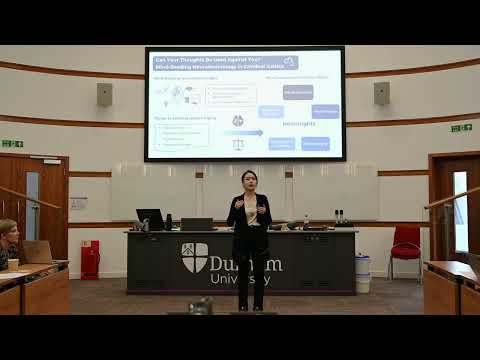
This research examines the legal risks of mind-reading neurotechnology in criminal justice. By developing a neurorights framework—covering mental autonomy, privacy, and integrity—it aims to protect freedom of thought while enabling responsible forensic use of brain data as neurotechnologies rapidly advance.

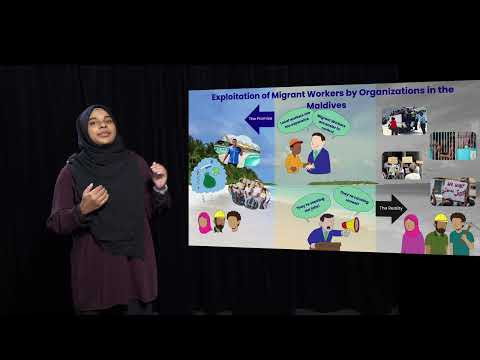
This research examines migrant worker exploitation in the Maldives through interviews and fieldwork. It shows how weak enforcement, informal power structures, and xenophobic narratives allow abuse to persist despite formal laws. By developing a public awareness campaign, the work aims to increase accountability and challenge misconceptions surrounding migrant labor.

My thesis uncovers the forgotten history of the US Children’s Bureau, once a global leader in children’s rights. Through archival research, it traces postwar innovation, a 1960s expansion inspired by civil rights, and the bureau’s dismantling under Nixon. The work highlights today’s parallels and the need to restore moral leadership for children.