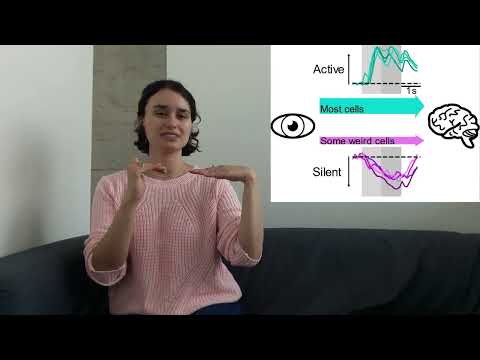
The retina is part of the brain and contains specialized cells that process visual information. This research studies unusual retinal cells that become silent when exposed to visual stimuli rather than becoming active. Experiments reveal multiple subtypes responding to different visual patterns, improving understanding of how the eye and brain process visual signals.
2024
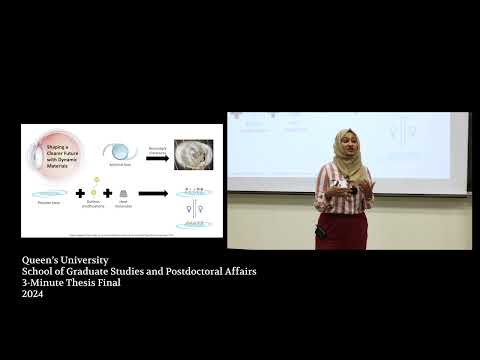
Secondary cataracts often develop after cataract surgery when residual lens cells grow on artificial lenses. This research designs light-responsive polymer materials containing azobenzene that alter surface properties to control cell behavior. These materials may prevent secondary cataracts by reducing cell adhesion or maintaining normal cell function, with broader applications in responsive biomedical materials.
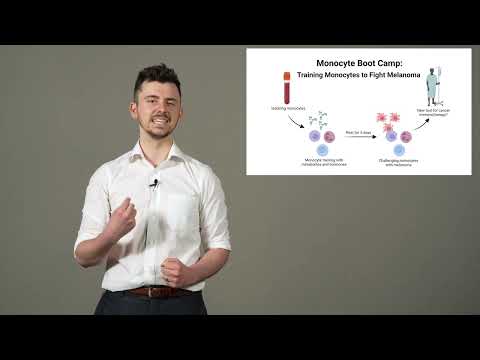
Cancer cells can suppress immune responses, limiting the long-term effectiveness of immunotherapy. This research shows that monocytes—key immune cells—can be “trained” using metabolites to become more effective at attacking cancer. Understanding and harnessing this trained immunity could improve immunotherapy outcomes and help predict which patients benefit most from treatment.
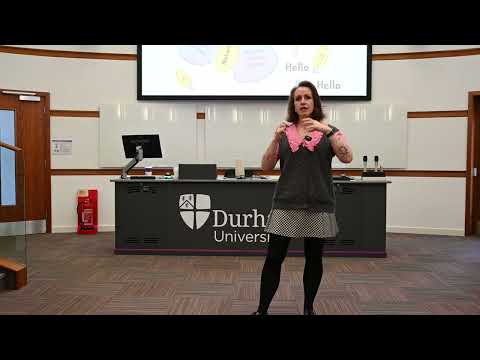
Academics and business professionals often struggle to collaborate due to cultural, linguistic, and structural differences. This research introduces the “Social Butterfly Effect,” a framework that builds mutual understanding and designs supportive networking environments. By encouraging cross-sector conversations, the model aims to spark innovation and increase the real-world impact of academic knowledge.
2024
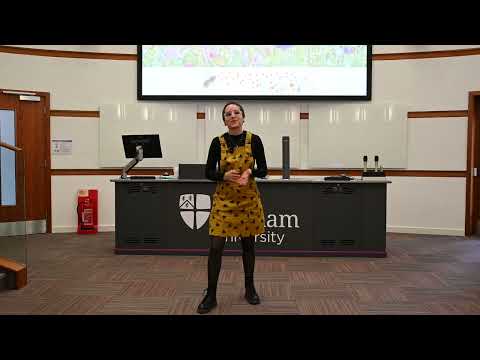
Although bumblebees are often considered generalist pollinators, this research shows that different species—and even males and females—prefer specific flowers and scents. By studying floral scent chemistry and bee visitation patterns, the work improves understanding of bee–plant interactions and supports conservation efforts aimed at protecting declining bee populations.
2024
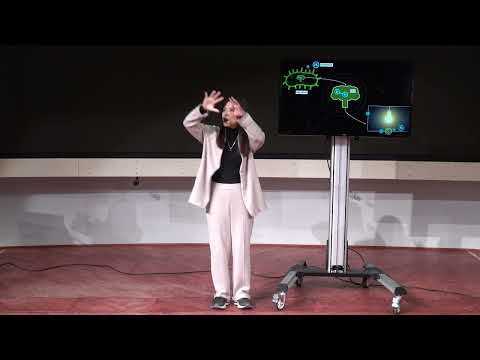
This research studies a bacterial enzyme called Huc that can generate electricity from trace amounts of hydrogen in the air. By revealing how this nickel-and-iron enzyme captures and converts hydrogen efficiently, the work could inspire low-cost clean energy technologies that reduce reliance on fossil fuels and support a more sustainable future.

2024
This research compares English and German preposition use, focusing on when prepositions can be dropped in short answers. Through speaker judgments of dialogue naturalness, it shows that flexibility is context-dependent rather than a simple English–German contrast, revealing subtle grammatical and structural influences.
2025
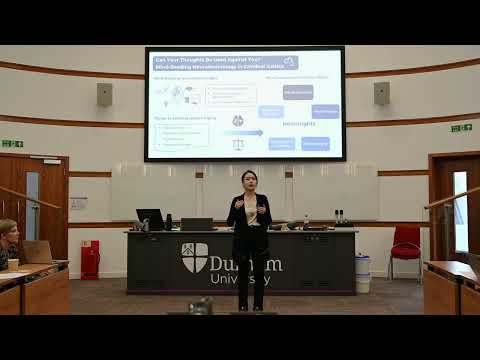
This research examines the legal risks of mind-reading neurotechnology in criminal justice. By developing a neurorights framework—covering mental autonomy, privacy, and integrity—it aims to protect freedom of thought while enabling responsible forensic use of brain data as neurotechnologies rapidly advance.
2024
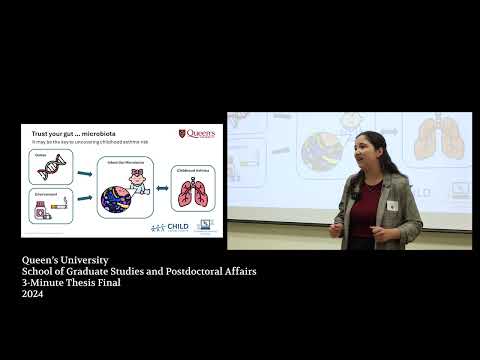
This research investigates how the infant gut microbiota influences childhood asthma risk. By studying microbes from infant diapers, the project identifies protective and harmful bacteria, explores the effects of genetics and environmental exposures, and highlights opportunities for early intervention and probiotic-based prevention. Understanding gut–immune interactions may transform childhood asthma prevention.
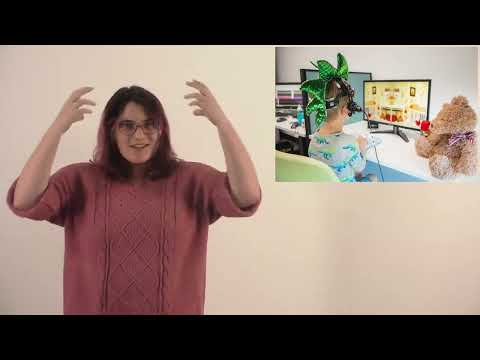
This research investigates how children use the left and right hemispheres for language and spatial reasoning. Using ultrasound while children play custom games, it shows that those with the typical left-language/right-spatial pattern tend to have stronger skills. The findings reveal how brain-activity patterns relate to developmental risks and complex tasks like reading.