
This research develops a fast algorithm to identify rare gravitational lenses in images from the Euclid Space Telescope. By analysing how galaxies bend light, it maps the distribution of invisible dark matter, helping astronomers investigate one of the greatest mysteries in physics: the nature and composition of dark matter.
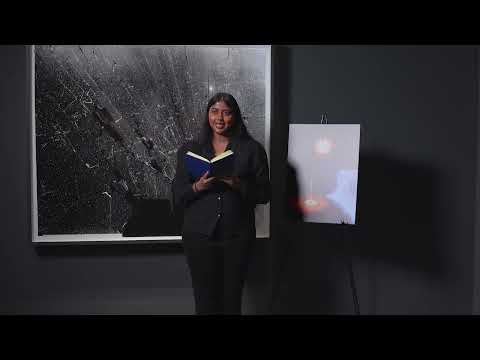
This talk explores how astronomers reconstruct black hole environments using X-ray polarization while reflecting on the fragility of telescopes, scientific archives, and human memory. It connects astrophysical discovery with the preservation of historical records, highlighting the overlooked contributions of women astronomers and the importance of safeguarding scientific heritage.