Year
2026
Summary

This research explores how autoimmune disease affects identity in young adults. Interviews with 25 New Zealanders revealed that diagnosis reshapes identity, relationships with the body, and perceptions of disability. The findings suggest that supporting identity—not just treating disease—could improve health behaviours, wellbeing, and long-term outcomes for people with autoimmune conditions.


Organisation
Year
2025
Summary

This research investigates the physiological signature of presence by linking heart rate patterns to states of embodiment and attention. Using movement meditation, self-reports, and continuous heart monitoring, it aims to identify the “heartbeat rhythm” of presence. The findings could support technologies that promote emotional regulation, mindfulness, and human connection.

Year
2019
Summary

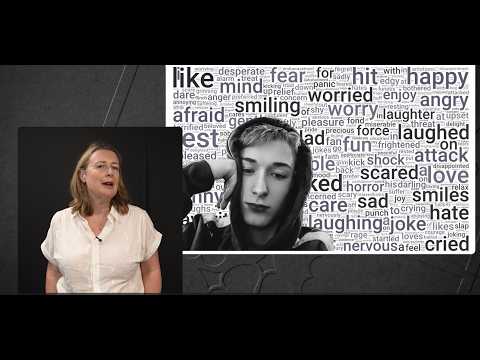
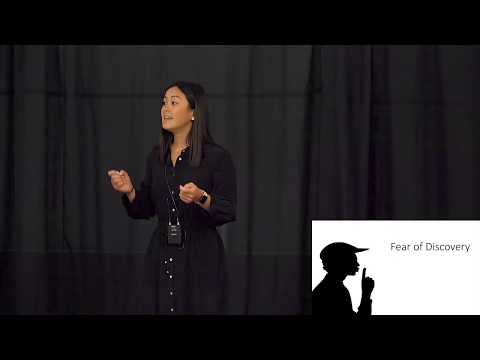
This research examines how keeping secrets in romantic relationships harms well-being. It introduces “fear of discovery,” the anxiety that secrets will be revealed unintentionally. Findings show this fear increases obsessive thinking and reduces relationship and life satisfaction, offering new insight into why secrecy negatively affects mental health.

Organisation
Year
2026
Summary

This research highlights high stress levels in creative industries and examines gaps in post-secondary curricula. By analysing course content through project management theory, it identifies missing focus on risk, conflict, and change management. Integrating these skills could foster healthier, more sustainable work environments for future creative professionals across sectors.

Year
2025
Summary

This research explores how youth in Nova Scotia experience nature as a health intervention. By working with young people as co-researchers, it examines barriers to accessing green spaces and informs policies that integrate nature-based solutions into healthcare, supporting equitable mental and physical well-being through initiatives like Prescription Parks.

Year
2025
Summary

The speaker introduces EcoLiving Lab, an immersive environment that integrates wellbeing and sustainability. By experimenting with small daily changes—sleep habits, food practices, and cleaning routines—participants learn how sustainable behaviours can enhance comfort and restoration. The goal is to make sustainability effortless, personalised, and appealing rather than burdensome.

Year
2023
Summary

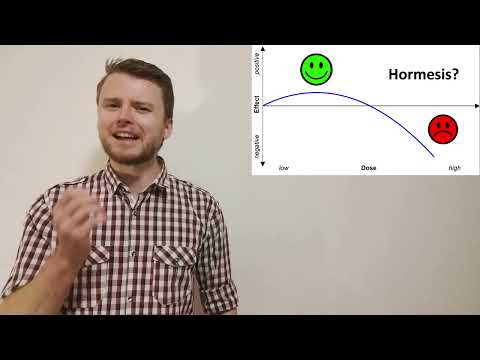
This research applies the concept of hormesis—where low doses are beneficial but high doses harmful—to pornography use. Since excessive porn use is associated with mental-health problems, the project seeks to identify the “healthy limit” of use. Participants will complete daily smartphone surveys over a month, allowing the researcher to model how porn consumption affects well-being and how moral beliefs modify these effects. The goal is to build a personalised app that guides individuals toward safe levels of use and reduces polarisation in debates about pornography.