This research examines simultaneous and concurrent polysubstance use and the behavioral economic mechanisms underlying them. Using daily diary surveys and multi-level modeling, the study investigates alcohol demand and delay discounting as predictors of risky substance use patterns, aiming to inform interventions for individuals who use multiple substances.
This research examines how sugar consumption and impaired reward sensitivity predict later alcohol-related behaviors in rats. Findings show that addiction-like responses to sugar can forecast alcohol responses, suggesting shared neural mechanisms. Understanding these early behavioral markers may help identify addiction risk factors and inform prevention strategies.
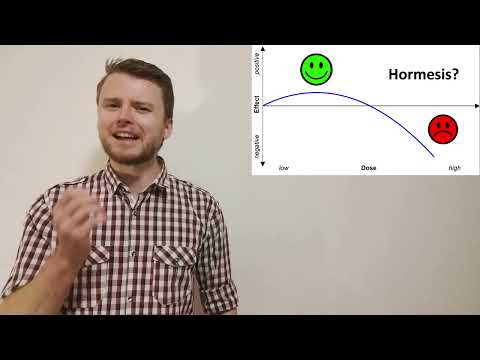
This research applies the concept of hormesis—where low doses are beneficial but high doses harmful—to pornography use. Since excessive porn use is associated with mental-health problems, the project seeks to identify the “healthy limit” of use. Participants will complete daily smartphone surveys over a month, allowing the researcher to model how porn consumption affects well-being and how moral beliefs modify these effects. The goal is to build a personalised app that guides individuals toward safe levels of use and reduces polarisation in debates about pornography.