This research examines how sugar consumption and impaired reward sensitivity predict later alcohol-related behaviors in rats. Findings show that addiction-like responses to sugar can forecast alcohol responses, suggesting shared neural mechanisms. Understanding these early behavioral markers may help identify addiction risk factors and inform prevention strategies.
2025
Neurodegenerative diseases like Alzheimer’s and Parkinson’s are closely linked to abnormal dopamine levels but are diagnosed too late. This research develops a tiny electrochemical brain sensor that selectively detects dopamine in real time. Such technology could enable earlier diagnosis, better monitoring, and improved treatment of neurological disorders.
2022
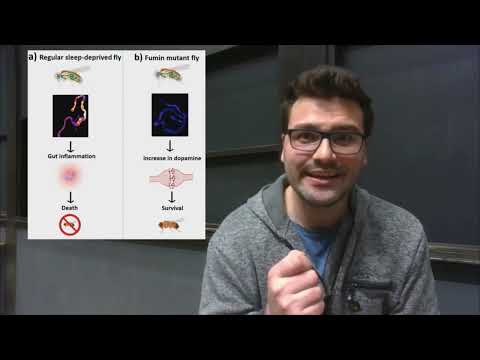
Fruit flies normally die from sleep loss due to lethal gut inflammation. But a mutant “fumin” fly, which sleeps very little, survives without inflammation. This research investigates how altered dopamine processing protects these flies, offering insight into why sleep is essential and how sleep loss contributes to disease.