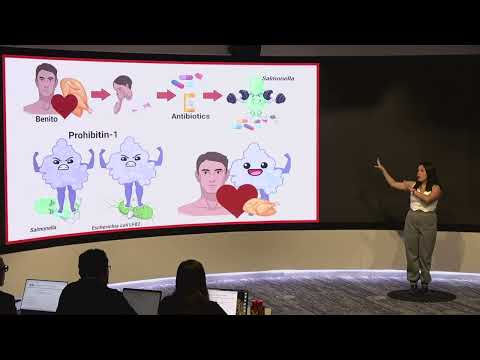
Antibiotic-resistant bacteria like Salmonella cause millions of deaths worldwide. This research explores prohibitin 1, a mitochondrial protein, as an alternative defense. Mouse studies show that higher prohibitin 1 levels protect against bacterial infections, offering a potential non-antibiotic treatment to combat infections and reduce antibiotic resistance.
This research investigates how the human microbiome protects against Streptococcus pneumoniae. Focusing on Streptococcus mitis, it shows how beneficial bacteria detect chemical signals from pathogens and block infection. Understanding when this microbial “security system” succeeds or fails may lead to new strategies for preventing disease.

This research investigates how the body’s natural use of copper—through nutritional immunity—can be leveraged to combat antibiotic-resistant E. coli infections in urinary tract infections. By understanding bacterial susceptibility to copper, this work aims to identify novel, host-inspired strategies for treating UTIs.