This research investigates glutamate as an alternative to antibiotics for treating diarrhoea in piglets. Early separation from their mothers causes stress, weakening immunity and increasing infection risk. Supplementing piglets with glutamate improved gut health, reduced diarrhoea, and enhanced growth, offering a potential strategy to reduce antibiotic resistance.
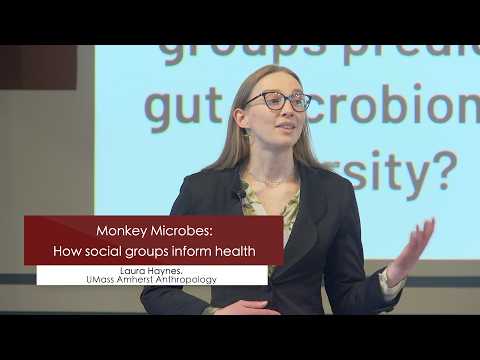
This research examines how social relationships influence the gut microbiome using Rwenzori Angolan colobus monkeys as a model. By combining social network analysis with microbial DNA sequencing, the study explores how beneficial bacteria spread through social groups and caregiving relationships, offering insights into the evolutionary connections between sociality and health.
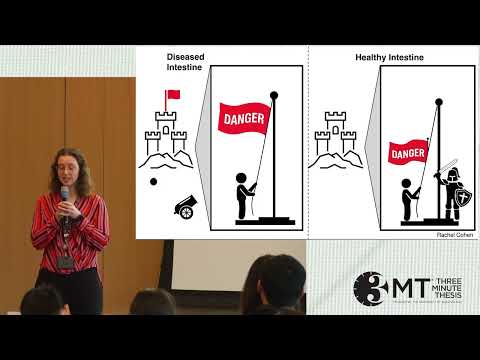
Intestinal cells protect us from harmful bacteria by forming a physical barrier and raising immune danger signals when needed. This research reveals a nuclear “knight” molecule that suppresses unnecessary immune activation during metabolic stress, helping maintain intestinal health and preventing excessive inflammation.
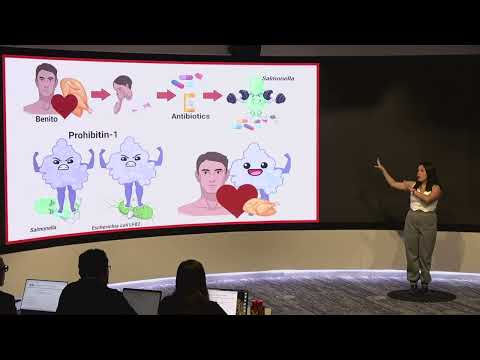
Antibiotic-resistant bacteria like Salmonella cause millions of deaths worldwide. This research explores prohibitin 1, a mitochondrial protein, as an alternative defense. Mouse studies show that higher prohibitin 1 levels protect against bacterial infections, offering a potential non-antibiotic treatment to combat infections and reduce antibiotic resistance.