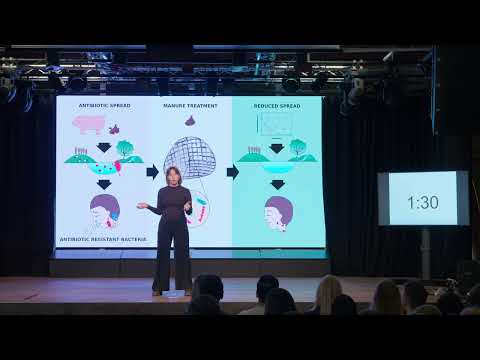
Antibiotic resistance is fueled by antibiotics released into the environment through animal manure. This research shows that aerobic biofilm carrier reactors can degrade up to 92% of antibiotics in manure. Improved manure treatment can reduce environmental reservoirs of resistance and help preserve antibiotics as effective treatments for bacterial infections.
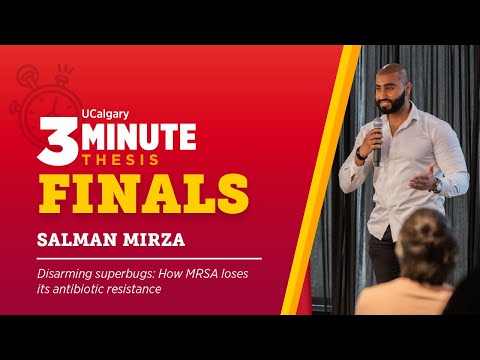
This research investigates how MRSA loses its antibiotic resistance by shedding the SCCmec genetic element. Environmental stressors such as heat and dryness increase this vulnerability, while antibiotics alone reinforce resistance. Understanding these mechanisms could enable new strategies to reverse resistance and improve treatment options for life-threatening MRSA infections.
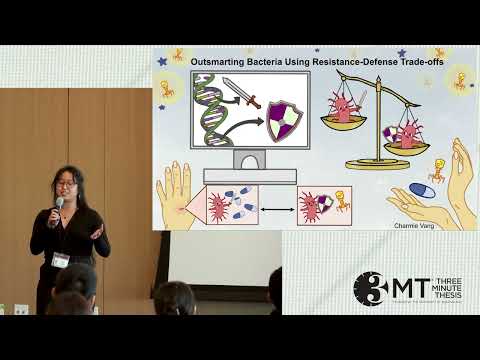
Antibiotic resistance threatens to return medicine to a pre-antibiotic era. This research uses machine learning to study how bacteria balance resistance to antibiotics and bacteriophages. By revealing genetic trade-offs between attack and defense, the work enables smarter combination therapies that exploit bacterial weaknesses and prevent otherwise deadly infections.
Antibiotic-resistant bacteria like Salmonella cause millions of deaths worldwide. This research explores prohibitin 1, a mitochondrial protein, as an alternative defense. Mouse studies show that higher prohibitin 1 levels protect against bacterial infections, offering a potential non-antibiotic treatment to combat infections and reduce antibiotic resistance.
This research tackles antibiotic resistance by developing nano-scale microfluidic cultures that isolate and study previously unculturable bacteria. By screening rare microbes and directly testing their antimicrobial activity, the platform accelerates discovery of new antibiotics, offering a powerful tool against drug-resistant superbugs.
This research explores how bacteria choose between free-swimming and biofilm lifestyles. Studying Vibrio cholerae reveals that bacterial populations hedge their bets—some cells disperse while others remain protected. This collective decision-making helps bacteria survive threats and plays a key role in infection and transmission.
This research investigates how the body’s natural use of copper—through nutritional immunity—can be leveraged to combat antibiotic-resistant E. coli infections in urinary tract infections. By understanding bacterial susceptibility to copper, this work aims to identify novel, host-inspired strategies for treating UTIs.