This dissertation examines whether describing crowd disasters as “stampedes” affects how people assign blame. The talk argues that the term wrongly implies irrational, selfish victim behaviour, obscuring structural failures in planning and crowd management. Experiments will test whether language shifts blame from systems to victims in perceptions of crowd crushes.
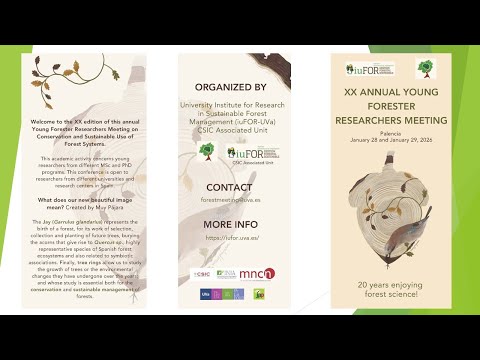
2026
This study examines whether burned area from forest fires in Portugal can be predicted using satellite, weather, and time-series data. Results show human-caused fires dominate over natural ones, and predictive models achieved around 95% accuracy, demonstrating strong potential for improving resource allocation and fire management strategies.
This research shows that real fires move through buildings, creating uneven heating that can cause structural collapse. Using full-scale fire tests and simulations, it demonstrates that traditional static fire-resistance testing is inadequate. Designing buildings for traveling-fire scenarios is essential to prevent collapse and protect lives.