This research investigates how wind transports sand across Mars to improve the safety of future space missions. Combining measurements from Earth-based analogue dunes with computational modelling and NASA satellite data, the approach predicts Martian winds and sandstorms with high accuracy, potentially reducing landing risks and supporting future human exploration of Mars.
This research examines whether air pollution affects risk-taking behaviour. Using survey data from 40,000 Indonesians and satellite pollution measurements, it shows that higher pollution levels make people more risk-averse. Because risk preferences influence education, careers, entrepreneurship, and innovation, cleaner air may improve both health outcomes and economic decision-making.
2026
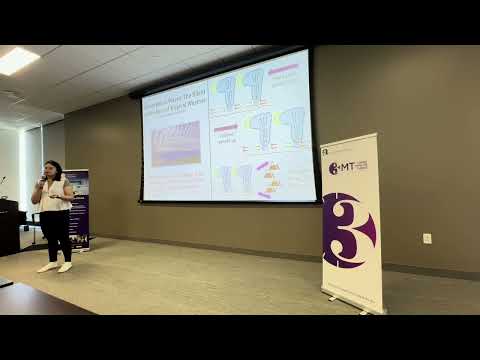
This research investigates tropical atmospheric waves that influence rainfall, storms, and seasonal weather patterns. Using satellite observations and machine learning, the study shows that wave propagation depends on geographic location, upper-level winds, and topography. The findings can improve weather forecasting models and help communities better prepare for extreme rainfall events.
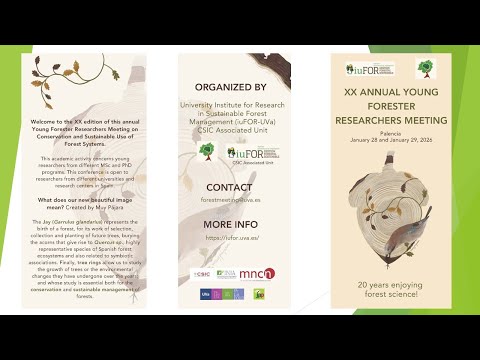
This study examines whether burned area from forest fires in Portugal can be predicted using satellite, weather, and time-series data. Results show human-caused fires dominate over natural ones, and predictive models achieved around 95% accuracy, demonstrating strong potential for improving resource allocation and fire management strategies.