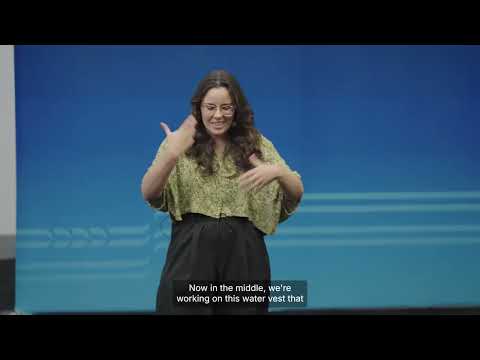
This research explores whether altering bodily sensations can change emotional experiences. By manipulating perceived heartbeat, blinking, and muscle tension through wearable devices and virtual reality, it demonstrates that emotions can be reshaped without changing physiology, opening new possibilities for treating trauma, anxiety, eating disorders, and other mental health conditions
This research demonstrates that moving visual stimuli can improve time perception to match the accuracy of auditory cues. Using a novel bouncing-ball experiment, it challenges the belief that hearing is always superior for judging time and offers new insights for assistive technologies, sports performance, human coordination, and cognitive psychology.
2026
This dissertation examines whether describing crowd disasters as “stampedes” affects how people assign blame. The talk argues that the term wrongly implies irrational, selfish victim behaviour, obscuring structural failures in planning and crowd management. Experiments will test whether language shifts blame from systems to victims in perceptions of crowd crushes.
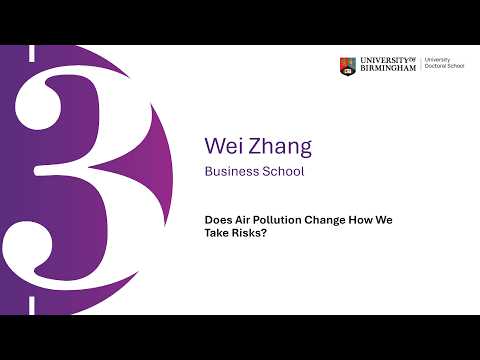
This research examines whether air pollution affects risk-taking behaviour. Using survey data from 40,000 Indonesians and satellite pollution measurements, it shows that higher pollution levels make people more risk-averse. Because risk preferences influence education, careers, entrepreneurship, and innovation, cleaner air may improve both health outcomes and economic decision-making.
2026
This neuroscience study investigated why time sometimes feels longer than it really is. By replacing simple geometric shapes with animal images, the researcher tested whether arousal or novelty drives temporal dilation. Results supported the oddball effect, showing that stimulus change, rather than emotional significance, was the primary factor influencing perceived duration.