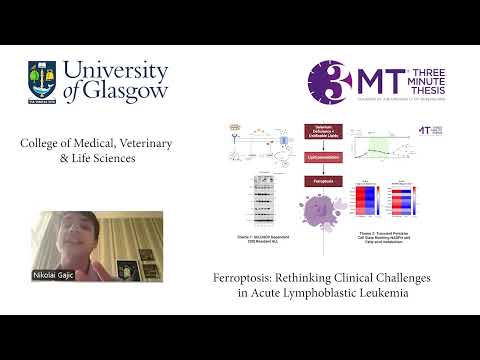
This research links two major treatment challenges in childhood acute lymphoblastic leukemia through ferroptosis, a lipid oxidation process regulated by selenium. By targeting selenium uptake in the brain and after chemotherapy, the work identifies potential new therapeutic strategies to reduce cancer cell survival and improve long-term treatment outcomes.
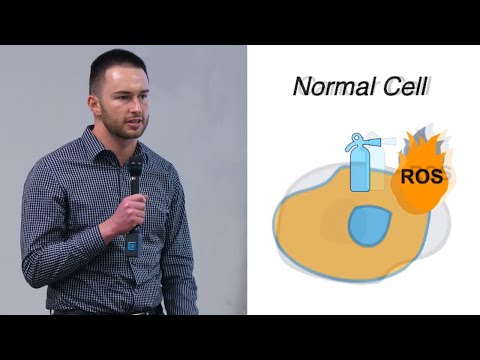
Cancer cells survive extreme oxidative stress by importing lipoproteins that deliver vitamin E, a powerful antioxidant. This creates a fire-resistant shield that prevents ferroptotic cell death. Blocking vitamin E delivery or lipoprotein uptake removes this protection, revealing a new vulnerability that could influence tumor growth and treatment response.