
This research develops hybrid lipo-polymeric nanoparticles that overcome major limitations of current mRNA vaccine technology. The particles can be freeze-dried, rapidly loaded with mRNA, and simultaneously deliver therapeutic drugs. Their flexibility improves vaccine storage and distribution while enabling powerful combination therapies, including enhanced cancer treatments with improved survival in preclinical models.
2025
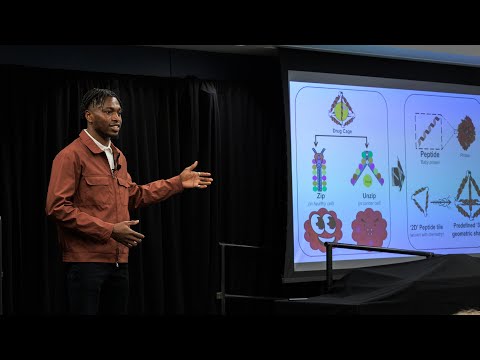
This research engineers peptide-based "drug cages" that assemble like molecular zippers to deliver medicines only at their intended target. Inspired by natural protein structures, these programmable nanostructures could dramatically reduce chemotherapy side effects by releasing drugs precisely where needed, improving treatment effectiveness while protecting healthy tissues.

This research develops orally administered nanoparticle therapies for metronomic chemotherapy in ovarian cancer. By delivering smaller drug doses directly to tumours over extended periods, it aims to reduce side effects, overcome drug resistance, improve patient quality of life, and make long-term cancer treatment easier and more effective.
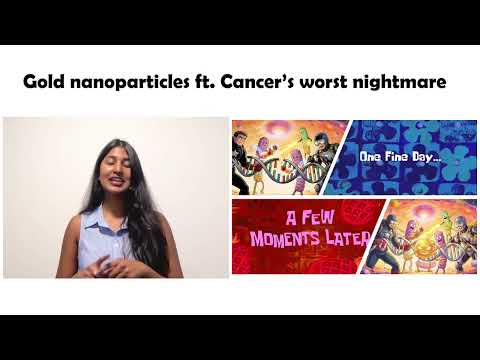
This research develops gold nanoparticles coated with peptides to block DNA repair in colorectal cancer cells, helping overcome drug resistance. Laboratory studies show the treatment dramatically reduces cancer cell survival after radiation while minimising toxicity. The approach could provide a safer, more effective therapy for colorectal cancer and other drug-resistant cancers.
2025
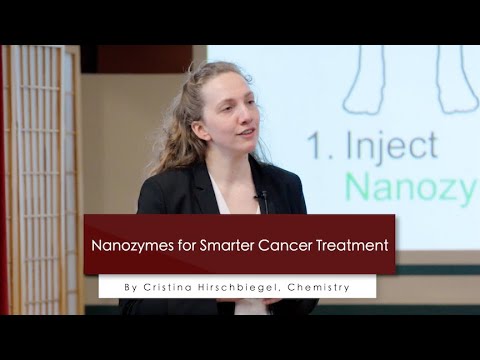
This research develops “nanozymes,” nanoparticle-based catalysts that activate cancer drugs directly at tumor sites. Instead of carrying large amounts of chemotherapy drugs, nanozymes locally trigger inactive drugs into their active form only within cancer tissue. Early mouse studies show effective tumor destruction with significantly reduced side effects compared to conventional chemotherapy.

2025
This research investigates taste alterations experienced by cancer patients during chemotherapy and radiotherapy. Using electrogustometry and flavour profile analysis, the study measures and categorizes changes in taste perception to guide the development of tailored food products that improve nutrition, comfort, and quality of life for people undergoing cancer treatment.
2026
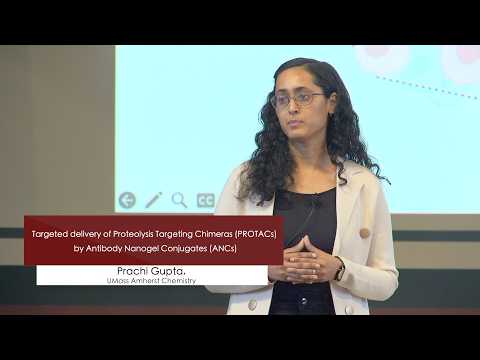
This research develops nanoscale “smart package” delivery systems for PROTAC cancer drugs. Antibody nanogel conjugates selectively target cancer cells, enter them, and release therapeutic molecules while minimizing exposure to healthy tissue. The approach improves delivery efficiency and aims to reduce the severe side effects that often limit cancer treatment.
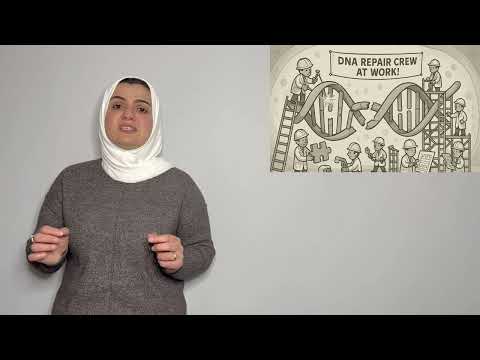
This research investigates how cells repair dangerous DNA double-strand breaks through the non-homologous end joining pathway. By identifying key proteins involved in this error-prone repair process, the work reveals new opportunities to sensitise cancer cells to radiation and chemotherapy, potentially improving treatment outcomes for aggressive cancers.
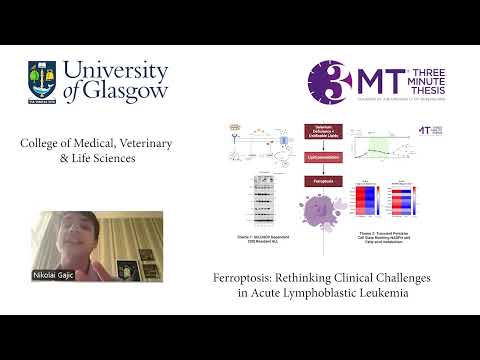
This research links two major treatment challenges in childhood acute lymphoblastic leukemia through ferroptosis, a lipid oxidation process regulated by selenium. By targeting selenium uptake in the brain and after chemotherapy, the work identifies potential new therapeutic strategies to reduce cancer cell survival and improve long-term treatment outcomes.
2025
This research investigates a novel two-drug therapy for ovarian cancer that kills cancer cells without harming healthy tissues and partially reactivates the suppressed immune system. The PhD work explores how this immune “reawakening” occurs, aiming to identify new strategies to enhance it and create more effective, resistance-proof treatments.