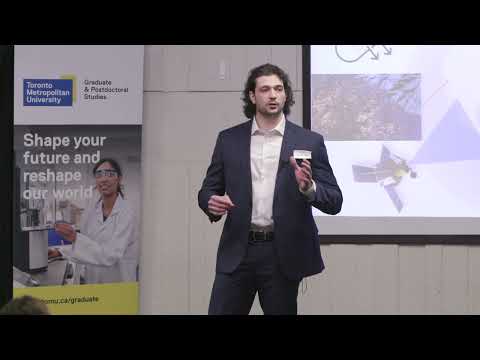
This research improves aging satellite imagery using ground-based mirror arrays that reflect sunlight to diagnose and correct image blur. By giving satellites precise calibration targets, the method sharpens observations, enabling faster disaster response, improved climate monitoring, and more accurate data for governments and scientists worldwide.

My research develops navigable high-altitude stratospheric balloons that combine satellite-level coverage with drone-level detail at low cost. Using machine-learning trajectory models and altitude-based steering, fleets can monitor wildfires, deforestation, and environmental change in real time. This technology enables scalable, sustainable remote sensing for global environmental protection.

The speaker explains how hyperspectral satellites can detect invisible methane emissions, a major driver of climate change. Their research integrates data from multiple satellites to create a continuous global monitoring system capable of identifying leaks in real time, enabling rapid mitigation and transforming satellite technology into a tool for planetary sustainability.

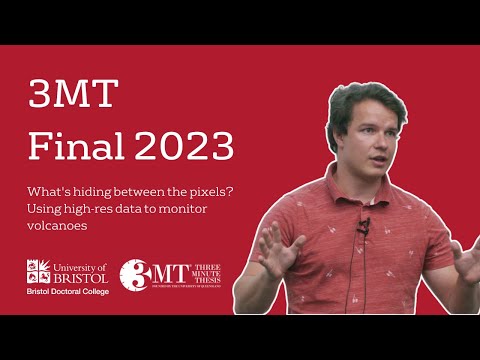
This research uses high-resolution satellite imagery to detect ground deformation at volcanoes, a key warning sign of impending eruptions. Low-resolution data often hides these signals, but fine-scale images reveal them clearly. Expanding high-resolution monitoring worldwide could allow earlier warnings, saving lives and reducing volcanic risk for millions.