This research improves the safety of stem cell–derived heart cell therapy for heart failure by engineering a drug-controlled genetic safety switch. The approach prevents dangerous post-transplant arrhythmias while allowing transplanted cells to mature and synchronize with the heart, advancing regenerative alternatives to full heart transplantation.

This research develops a protein-based detection technology capable of identifying subtle molecular changes months before disease symptoms appear. By adapting nanopore sequencing with a protein “detangler,” it enables early warning for conditions like leukemia, shifting medicine from reactive treatment to proactive disease prevention.

This research presents an anti-inflammatory surgical gel that actively reprograms the immune response at the injury site. Rather than masking symptoms, it promotes proper healing, reduces prolonged inflammation, and improves recovery—especially for patients with delayed healing, such as those with diabetes—aligning biomaterials with modern surgical precision.

Large unstructured lecture breaks often disrupt learning, causing distraction and poor recall. This research tests structured “consolidation pauses” where students spend 2–5 minutes reviewing material before break. Results show improved retention, better peer relationships, and up to a full letter-grade boost, demonstrating that small instructional changes markedly improve learning outcomes.

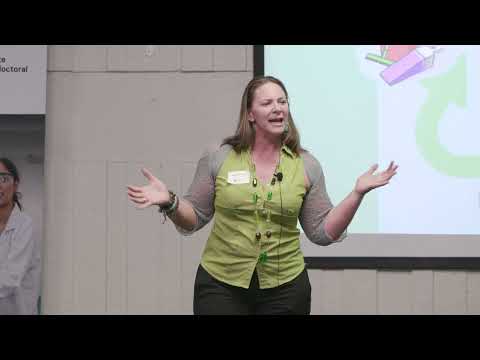
The speaker introduces EcoLiving Lab, an immersive environment that integrates wellbeing and sustainability. By experimenting with small daily changes—sleep habits, food practices, and cleaning routines—participants learn how sustainable behaviours can enhance comfort and restoration. The goal is to make sustainability effortless, personalised, and appealing rather than burdensome.

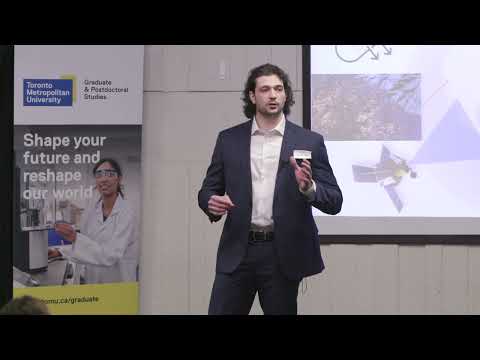
The speaker explains how hyperspectral satellites can detect invisible methane emissions, a major driver of climate change. Their research integrates data from multiple satellites to create a continuous global monitoring system capable of identifying leaks in real time, enabling rapid mitigation and transforming satellite technology into a tool for planetary sustainability.

The speaker examines online gambling addiction among Nigerians aged 18–40, highlighting rising exposure, inadequate regulation, and personal impacts. Through media analysis and international policy comparisons, the research evaluates the effectiveness of public service announcements and calls for targeted digital interventions to reduce harm among young people.

The study analyzes 5,000 immigrant-owned export firms and shows that 1.5-generation immigrants outperform other groups financially, regardless of export destination. Greater institutional distance between Canada and their origin countries further strengthens this advantage, likely due to bilingual, bicultural, and adaptive skills. The findings highlight overlooked export potential for policy and economic development.

The speaker investigates why surgical sutures often fail and explores bio-inspired alternatives. Studying freshwater mussels—experts at sticking to wet surfaces—they analyze adhesive proteins to design stronger, water-compatible tissue adhesives. This research aims to create safer, more reliable surgical closure methods that reduce complications, infections, and reliance on traditional suturing.

The speaker develops DOLLY, a dynamic, language-neutral reading screener designed to reduce bias against bilingual children. Unlike traditional English-based tests, DOLLY measures how children learn reading skills using novel symbols and teaching prompts. Early results show it more accurately identifies true reading difficulties, ensuring fairer support and resource allocation.