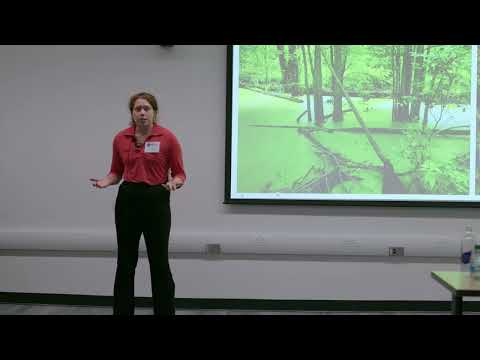
This research investigates methane emissions from restored marshes as a climate solution. While marshes sequester CO₂, their methane output varies widely. By measuring emissions and environmental factors, the study examines how interactions influence outcomes, highlighting that restoration can aid climate mitigation but requires deeper understanding to ensure effectiveness.