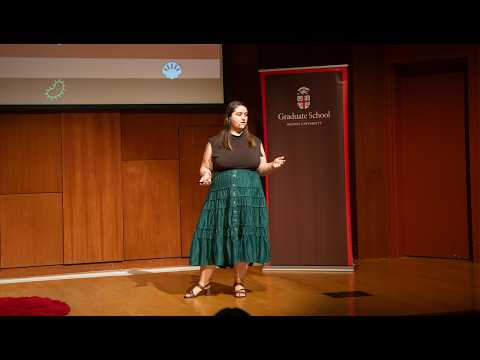
This research investigates how coccolithophores—microscopic marine algae that both absorb and release carbon dioxide—have influenced Earth's carbon cycle over the past three million years. Using fossil sediments, geochemistry, and machine learning, it reconstructs past ocean ecosystems to improve predictions of how marine carbon cycling will respond to future climate change.
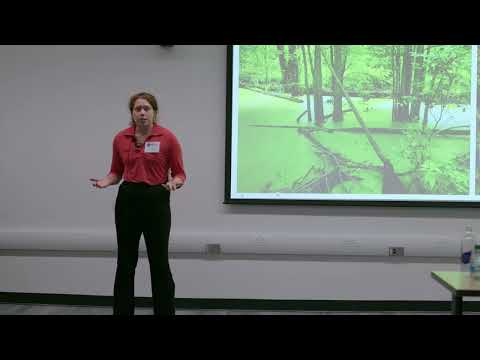
This research investigates methane emissions from restored marshes as a climate solution. While marshes sequester CO₂, their methane output varies widely. By measuring emissions and environmental factors, the study examines how interactions influence outcomes, highlighting that restoration can aid climate mitigation but requires deeper understanding to ensure effectiveness.
This study reviews mangroves of the Americas and their vulnerability to climate change. Mangroves are vital carbon sinks, biodiversity hotspots, and coastal protectors, but face threats from deforestation, pollution, and urban expansion. Effective conservation requires ecosystem-based restoration, improved management, and reduced human pressures to ensure long-term resilience.
This project applies dendrochronological methods to restored Andean forests in Colombia. It evaluates whether tropical species form annual rings, models their growth over time, and compares results with long-term plot data. The study focuses on Juglans neotropica, Cedrela montana, and Quercus humboldtii, integrating wood anatomy and climatic analysis.
This research investigates how forest soil health underpins resilience to climate change in Nova Scotia. By analyzing physical, chemical, and biological soil properties across diverse sites, the project develops a soil health framework to guide forest management, enhance carbon sequestration, and improve long-term ecosystem resilience.