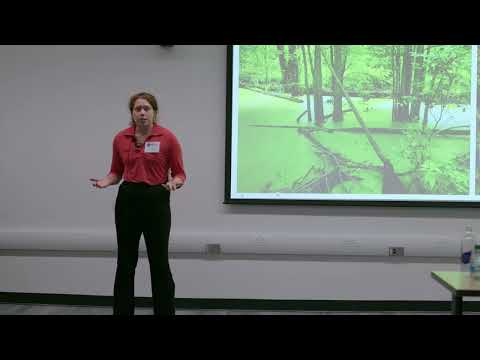
This study evaluated oak regeneration along a forest–mine gradient over 14 years, highlighting the key facilitating role of nurse shrubs. Results show that while acorn supply drives recruitment near forests, shrub cover significantly improves seedling survival and growth in harsh reclaimed mine conditions, supporting shrubs as effective nature-based restoration tools.

This project applies dendrochronological methods to restored Andean forests in Colombia. It evaluates whether tropical species form annual rings, models their growth over time, and compares results with long-term plot data. The study focuses on Juglans neotropica, Cedrela montana, and Quercus humboldtii, integrating wood anatomy and climatic analysis.

This research examines the ecological and social feasibility of rewilding Britain, one of the world’s most nature-depleted countries. By modelling where native species could thrive and surveying public attitudes, the project aims to create a national roadmap for restoring lost biodiversity and rebuilding Britain’s fragmented ecosystems.