This research explores how Jamaican patois shapes Toronto slang and identity. Through surveys and interviews, it shows that patois influences everyday speech across diverse communities. Far from trivial slang, it fosters belonging, reflects cultural history, and strengthens social ties, highlighting language as a dynamic, unifying force within the Greater Toronto Area.


This research explores how accents form in multilingual Malaysia, showing that subtle combinations of consonant and vowel features distinguish speakers. Even a single word carries identifiable acoustic cues. The findings highlight how listeners rapidly perceive identity through speech and emphasize the human complexity underlying language in an era of speech technology.

This research examines the gap between Kazakhstan’s language policy and practice. Despite efforts to promote Kazakh, Russian dominates key sectors, creating inequalities for Kazakh speakers. By analysing structural and historical factors, the work aims to inform more effective policies that balance national identity, linguistic inclusion, and equitable access to education and opportunity.

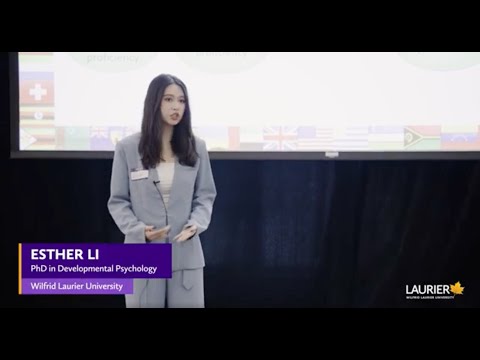
This study examines how acculturation and enculturation relate to first-language loss among bilingual young adults. Higher acculturation predicts weaker first-language skills but stronger English proficiency, while enculturation predicts better retention of the first language. Multigenerational households did not significantly prevent language loss, underscoring the delicate balance between adaptation and heritage preservation.