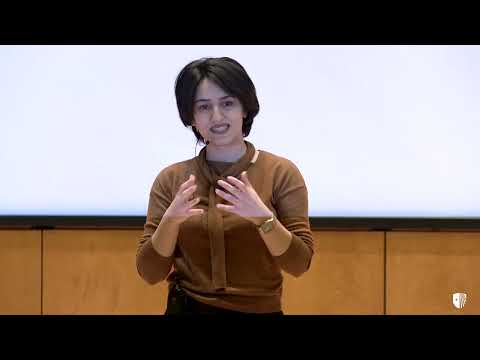
This research investigates sound length in speech, comparing its physical and mental representation across languages. While English treats length as phonetic variation, languages like Japanese use it meaningfully. The study focuses on Persian to improve speech recognition and therapy, helping determine how sound duration is perceived, produced, and processed cognitively.

2026
This research explores how accents form in multilingual Malaysia, showing that subtle combinations of consonant and vowel features distinguish speakers. Even a single word carries identifiable acoustic cues. The findings highlight how listeners rapidly perceive identity through speech and emphasize the human complexity underlying language in an era of speech technology.