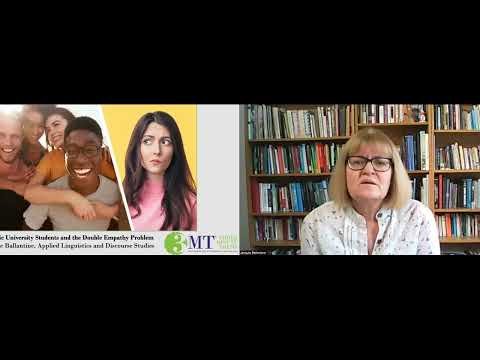
This research explores autistic university students’ experiences navigating sensory challenges and communication differences on campus. It highlights the “double empathy problem,” where misunderstandings occur between autistic and non-autistic individuals. Using applied linguistics, the study argues that mutual understanding is essential to ensure equitable access to education and improve student well-being and inclusion.

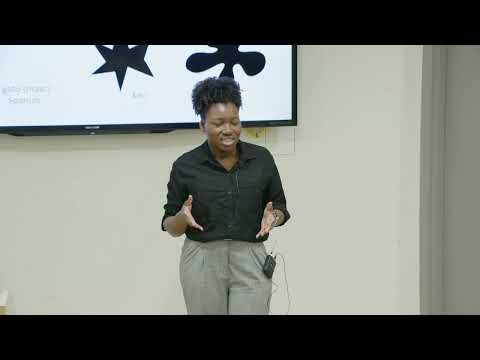
This research examines sound symbolism—the idea that certain sounds inherently convey meaning. Through cross-linguistic analysis of animal names, it investigates how phonetic features relate to perceived traits like size or danger. Findings could improve language learning, branding, and understanding of how human language evolved beyond arbitrary sound-meaning relationships.

This research explores how personality traits influence patient safety among nurses and midwives in Ireland. Survey findings show that agreeableness, conscientiousness, and openness support safer care, while neuroticism may increase risk. The study proposes personality-tailored safety training to improve communication, teamwork, and life-saving performance.

Aphasia impairs language but not necessarily communication. My research explores how people with aphasia use nonverbal cues, interaction with conversation partners, and contextual support to communicate effectively despite limited language skills. By testing these elements in the lab, the work aims to improve therapy methods and real-world communication outcomes for people with aphasia.