Year
2026
Summary

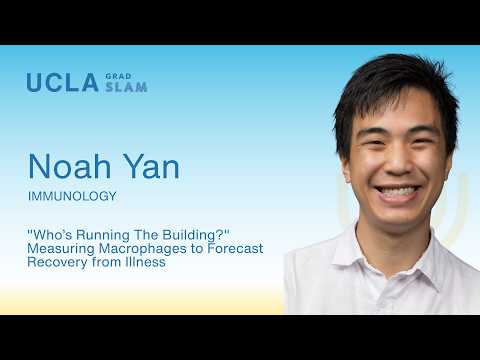
This research investigates macrophages, immune cells that regulate infection, tissue repair, and cancer responses. Through laboratory experiments and machine-learning models, it aims to predict macrophage function across different diseases and patients. The work could improve prognosis, guide treatments, evaluate drug safety, and forecast recovery following major illnesses and injuries.

Organisation
Year
2025
Summary

Genetic cardiomyopathies arise from DNA errors that disrupt vital heart proteins and can be fatal in childhood. This research improves heart-targeted gene therapy by guiding treatments through the bloodstream using chemokine “traffic signals” and avoiding immune interference, enabling therapies to reach the heart more efficiently and potentially cure inherited heart disease.

Year
2025
Summary

This research investigates using light-sensitive proteins to control cardiac electrical activity and treat arrhythmias. By precisely guiding heart rhythms with light rather than drugs or shocks, the study identifies proteins capable of suppressing dangerous premature signals, offering a reversible, non-invasive alternative to current heart disease treatments.

Year
2025
Summary

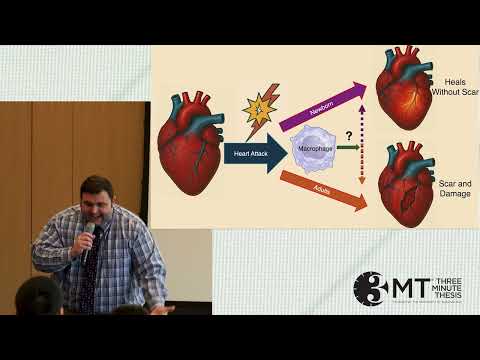
This research explores how tissue-resident macrophages guide immature heart muscle cells during early development. By identifying immune signals that enable scar-free heart regeneration in newborns, the work aims to uncover therapeutic pathways that could restore regenerative capacity and improve outcomes for patients with heart disease.

Organisation
Year
2025
Summary

This research evaluates whether reflective cool roofs can reduce indoor temperatures and improve health in climate-vulnerable communities. A global randomised controlled trial across four countries will assess impacts on physical and mental health, productivity, and hospitalisations, providing evidence on whether this affordable intervention is cost-effective and capable of saving lives.

Organisation