Year
2026
Summary

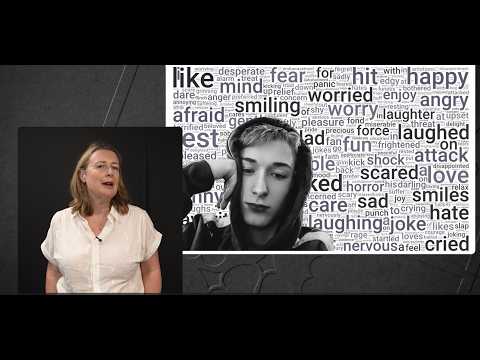
This study examined more than 2,000 adolescents to explore how habitual smartphone use affects attention. While frequent habitual use predicted poorer attention regulation, smartphones also fulfilled psychological needs for competence, autonomy, and relatedness, which partially protected against these effects, suggesting that how adolescents use smartphones matters as much as how often.

Year
2026
Summary

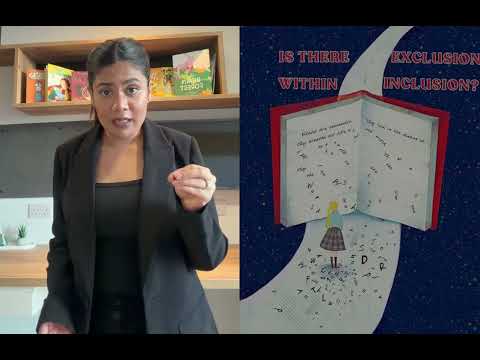
This research explores how children's literature represents neurodiversity and how those representations shape children's sense of identity and inclusion. By gathering perspectives from readers and educators, the project aims to develop a reading programme featuring authentic, diverse stories so every child can see themselves reflected in literature.

Organisation
Summary

This study investigates whether morphological awareness—the ability to understand word structure—can improve literacy in both English and Chinese among bilingual children. Through an eight-week training program, Chinese-English bilingual children learn word-building patterns. The research explores whether morphological awareness can serve as a bridge connecting literacy development across both languages.

Year
2025
Summary

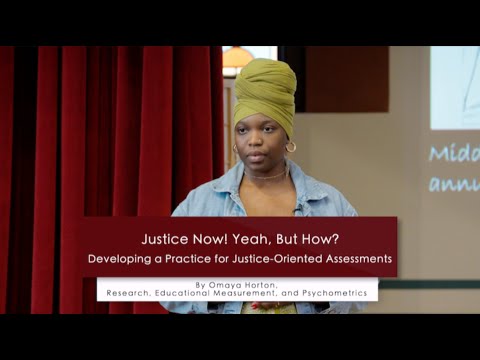
This research examines how educational assessment systems can become more just, inclusive, and culturally relevant. Using participatory action research, it proposes a five-step framework emphasizing community collaboration, anti-racist assessment design, continuous revision, and student-centered approaches that prioritize equity, engagement, identity, and educational justice over standardized measurement alone.

Year
2026
Summary

This research develops a new way to measure mathematical language by integrating words, symbols, and graphs. Through experimental tasks, it shows that these skills predict mathematical performance. The findings highlight the importance of teaching connections between representations, with implications for improving mathematics education and understanding how language shapes learning.

Organisation
Year
2026
Summary

This study examines cognitive reserve theory by investigating the relationship between education and cognitive performance across developed and developing countries. Using numeracy and verbal fluency measures, it finds that higher education consistently improves cognition. However, cognitive performance is largely similar across countries once education level is considered, challenging assumptions about educational quality differences.

Year
2025
Summary

The speaker shows that using simple hand gestures helps students make abstract fraction concepts concrete. After analyzing fourth and fifth graders’ problem-solving, they found that gestures representing fraction size predicted higher performance. Gesture-based instruction is free, equitable, and effective across demographic groups, offering a powerful tool to improve math learning.