This research investigates how SUMO protein labeling regulates DNA repair after damage caused by sunlight and other stresses. Using yeast as a model organism, the study shows that SUMO helps recruit and remove repair proteins at damaged DNA sites. Understanding these signaling mechanisms may improve cancer prevention and treatment strategies.
2020
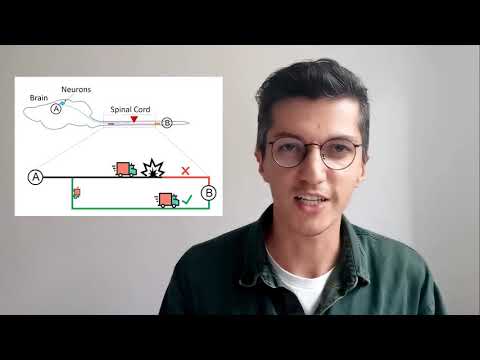
This research explores neural remodeling—the process by which neurons form new connections after spinal cord injury. Using mouse models, the work identifies genes involved in detour pathways and enhances them through gene therapy, strengthening recovery. The goal is to develop future treatments that improve functional outcomes for people with central nervous system injuries.

2024
This research uncovers how two proteins, GluA1 and PKC, regulate behavioural flexibility in the striatum. Deleting GluA1 causes animals to get “stuck,” mirroring symptoms in OCD, addiction, and autism. A new molecular tool restores flexibility by 80% in hours, offering a potential pathway for future neuropsychiatric treatments.