
This research examines how “sitting is the new smoking” headlines affect people with spinal cord injury. Interviews revealed these messages are harmful and exclusionary. Reframing sedentary behavior as low energy expenditure, rather than sitting itself, improves understanding. The work promotes inclusive, evidence-based public health communication.
2020
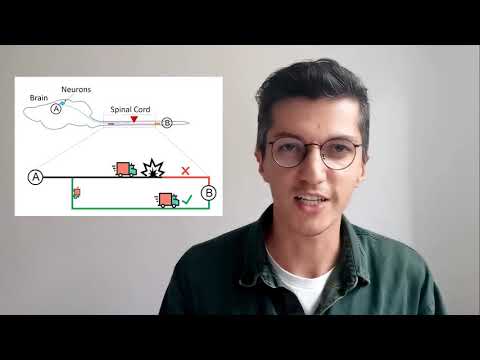
This research explores neural remodeling—the process by which neurons form new connections after spinal cord injury. Using mouse models, the work identifies genes involved in detour pathways and enhances them through gene therapy, strengthening recovery. The goal is to develop future treatments that improve functional outcomes for people with central nervous system injuries.