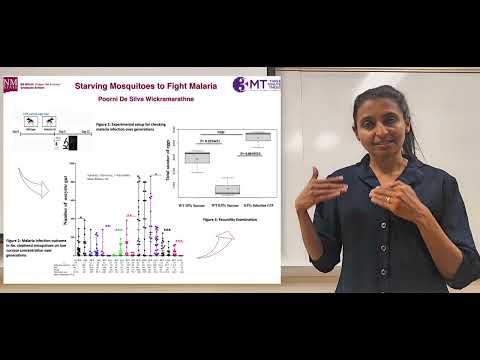
Malaria still kills hundreds of thousands annually, while drug and insecticide resistance spread. This research shows that limiting mosquito sugar supply alters their evolution, reducing malaria parasite burden over generations. Targeting mosquito sugar metabolism offers a novel, sustainable strategy for controlling malaria and other mosquito-borne diseases.

 

This research uses agent-based modelling (ABM) to simulate infectious disease spread in regions like Nigeria, enabling policymakers to predict outbreaks, test interventions, and allocate limited resources proactively. The low-cost modelling approach supports governments with constrained budgets and offers a sustainable, data-driven tool for preventing large-scale infections and improving global public health.