This research uses drone imagery and a hybrid AI model to classify rangeland cover as green vegetation, dead vegetation, or bare soil. Combining two neural network approaches achieved 96% accuracy while requiring only simple, low-cost sensors. The method enables fast, large-scale monitoring to combat invasive shrubs and support sustainable land management.

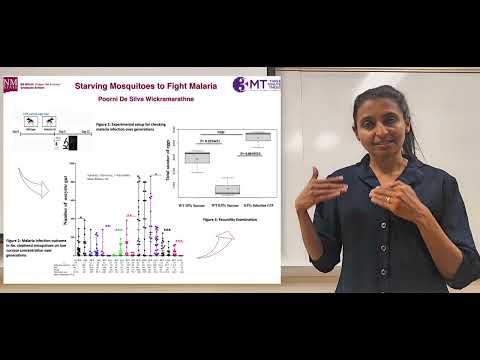
Malaria still kills hundreds of thousands annually, while drug and insecticide resistance spread. This research shows that limiting mosquito sugar supply alters their evolution, reducing malaria parasite burden over generations. Targeting mosquito sugar metabolism offers a novel, sustainable strategy for controlling malaria and other mosquito-borne diseases.
 

This research explores a novel malaria control strategy by manipulating mosquito sugar metabolism. By forcing Anopheles stephensi to adapt to low-sugar diets across generations, mosquitoes evolved reduced malaria parasite loads. Targeting mosquito nutrition offers a promising alternative to insecticides for controlling malaria and other mosquito-borne diseases.

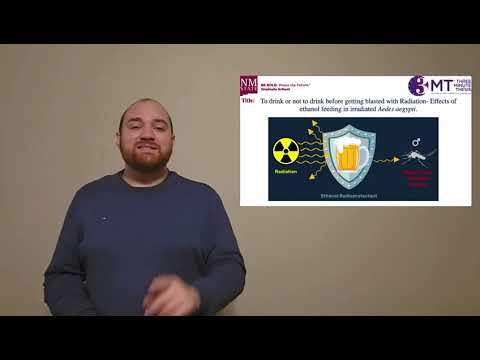
This research investigates how ethanol improves the fitness of sterilized male mosquitoes used in the Sterile Insect Technique. By examining behavioral and genetic responses to radiation, the work aims to optimize mosquito population control strategies and reduce the spread of mosquito-borne diseases worldwide.