Malaria still kills hundreds of thousands annually, while drug and insecticide resistance spread. This research shows that limiting mosquito sugar supply alters their evolution, reducing malaria parasite burden over generations. Targeting mosquito sugar metabolism offers a novel, sustainable strategy for controlling malaria and other mosquito-borne diseases.


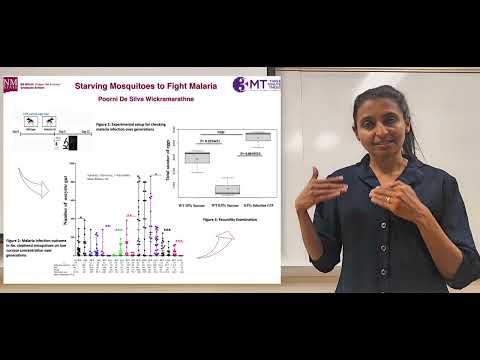
This research explores a novel malaria control strategy by manipulating mosquito sugar metabolism. By forcing Anopheles stephensi to adapt to low-sugar diets across generations, mosquitoes evolved reduced malaria parasite loads. Targeting mosquito nutrition offers a promising alternative to insecticides for controlling malaria and other mosquito-borne diseases.

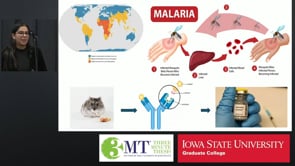
Malaria infects hundreds of millions each year by using the parasite Plasmodium to invade the liver through the CSP protein. This research designs tightly binding antibodies to block infection at its earliest stage, improving vaccine effectiveness and offering a path toward preventing malaria before symptoms begin.

This research investigates how Plasmodium falciparum invades human red blood cells. By focusing on the neglected role of red cell surface structures, it aims to uncover molecular interactions essential for invasion. Understanding these mechanisms may guide the development of new treatments for drug-resistant malaria, a disease killing a child every minute.