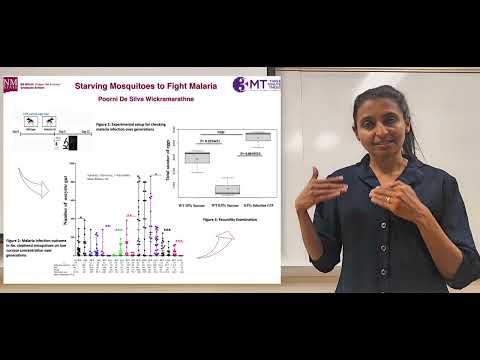
Malaria still kills hundreds of thousands annually, while drug and insecticide resistance spread. This research shows that limiting mosquito sugar supply alters their evolution, reducing malaria parasite burden over generations. Targeting mosquito sugar metabolism offers a novel, sustainable strategy for controlling malaria and other mosquito-borne diseases.
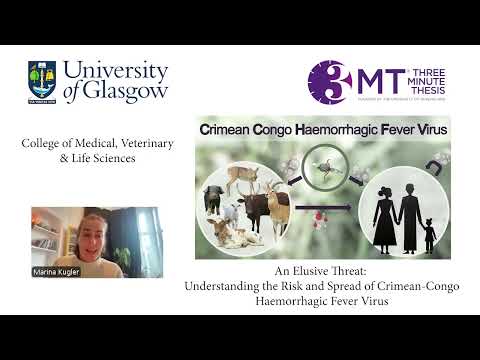
 

Crimean–Congo haemorrhagic fever is a deadly tick-borne virus affecting communities in Uganda and spreading with climate change. Through interviews and large-scale antibody testing, this research identifies how people are exposed to the virus, informing targeted prevention strategies such as awareness campaigns, tick control, behavioural change, and future vaccination planning.

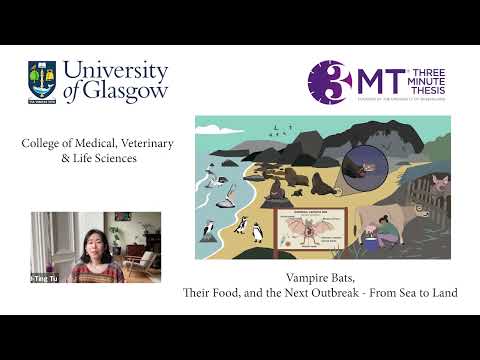
Marine-feeding vampire bats provide a novel way to track how viruses move between wildlife, livestock, and humans. By analysing their feeding history, researchers can trace cross-species disease transmission, including links between ocean-origin viruses and farm animals, offering early warning signs that could help prevent future pandemics.