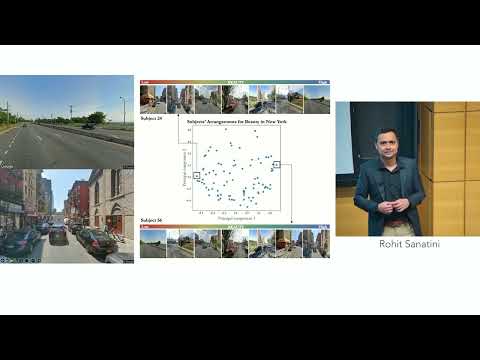
A cross-cultural study of urban beauty shows that perceptions vary widely across individuals. Using Google Street View images and participant rankings from 20 countries, the research found no shared standards of beauty and no demographic explanations. While individuals were internally consistent, beauty judgments were deeply subjective, challenging data-driven approaches to urban design.
Fast fashion creates massive environmental damage through synthetic fibres, textile waste, and microplastic pollution. This research develops Ioncell, an eco-friendly, closed-loop technology that dissolves cellulose materials and regenerates durable, biodegradable fibres. It also enables recycling of cellulose textile waste, offering a promising sustainable alternative to synthetic fibres and reducing global textile pollution.

2025
This research uses neutron scattering — “neutron vision” — to reveal the full structure of complex nanoparticles that X-rays can’t fully resolve. By developing statistical methods to optimise experiment design and analyse data, the project enables clearer structural insights, accelerating the development of advanced materials for energy, medicine and nanotechnology.