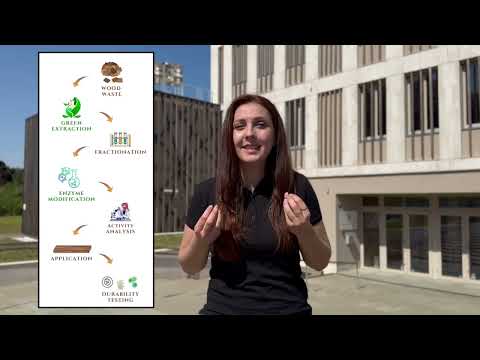
This research transforms wood waste into bio-based protection agents for construction timber. Using green extraction methods and enzymatic modification, natural compounds are isolated and enhanced to replace toxic chemical treatments. Laboratory testing confirms their antimicrobial, antioxidant, and weather-resistant properties, supporting sustainable wood protection and circular economy principles.

Fast fashion creates massive environmental damage through synthetic fibres, textile waste, and microplastic pollution. This research develops Ioncell, an eco-friendly, closed-loop technology that dissolves cellulose materials and regenerates durable, biodegradable fibres. It also enables recycling of cellulose textile waste, offering a promising sustainable alternative to synthetic fibres and reducing global textile pollution.

Textile waste in Australia decomposes slowly and releases toxic chemicals. Natural fibres like cotton could be composted, but dyes and treatments hinder breakdown. This PhD develops a new compost-testing method, measures dye impacts, and identifies toxic residues. The work will inform Australia’s first composting standard and help industry choose safer, circular textile dyes.

This research uses ultra-fast femtosecond lasers to study how photovoltaic materials generate and lose electrons. By tracking where electrons form and where they become trapped, the work aims to improve solar panel efficiency. Better photovoltaic materials could make solar energy cheaper, more reliable, and capable of replacing fossil fuels.

This research develops a PET material coated with nature-inspired nano-spikes that kill bacteria on contact. By preventing infections on medical devices, the technology can reduce antibiotic use and slow the rise of superbugs. The nano-spikes puncture bacterial cell walls, stopping movement, division, and ultimately causing cell rupture.

This research develops lightweight nanocomposite materials for aircraft by reinforcing weak glue layers with ultrathin nanofibres. These fibres, 100,000 times thinner than a human hair, can increase strength by up to 700% without adding weight. The goal is safer, lighter planes that reduce fuel use and carbon emissions.