This PhD thesis defence uses high-throughput CRISPR variant engineering to study how cancer mutations drive tumour behaviour. A prime-editing sensor enables efficient functional screening of ~1,000 TP53 patient variants, revealing effects missed by cDNA overexpression. Directed base-editing screens map resistance mutations across CDKs and drug modalities, predicting clinically relevant therapy response.

Variants weaken current COVID vaccines because they target parts of the spike protein that mutate. This project uses nanoparticles displaying engineered versions of the conserved RBD region to steer the immune system toward making broadly protective antibodies. Computational design helps optimize immune targeting, potentially eliminating yearly boosters and protecting against future coronaviruses.

This research examines how architectural spaces shape emotional experience through their acoustic environments. Using binaural audio, 360° video, VR, biosensors, and self-reports, the study shows that spaces amplifying low frequencies enhance positive emotions. The goal is to develop architectural guidelines that create restorative, well-being-enhancing environments in schools, hospitals, offices, and public spaces.

Chemical reactions are often slow and depend on catalysts. This research shows that simply applying electrical charge to a catalyst—without using energy—dramatically accelerates reactions, increasing rates tenfold for every 60 mV. A AA battery can reduce a universe-long reaction to one second, offering a powerful, sustainable route for chemical manufacturing.

This study tests whether CBD genuinely reduces anxiety in people with social anxiety disorder. Fifty participants will receive either pharmaceutical-grade CBD or a placebo before a stressful mock interview. Researchers will measure subjective and physiological anxiety and scan participants’ brains to detect CBD’s effects, providing the first clinical evidence for or against its effectiveness.

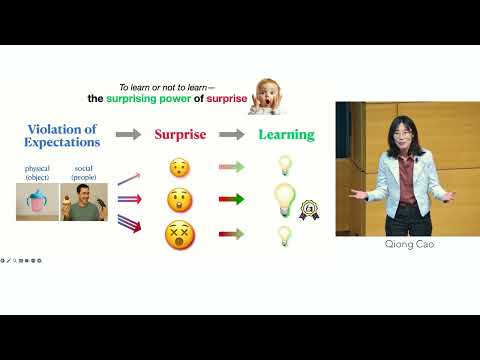
Babies are exceptional learners, possibly because they use surprise to guide attention and learning. My research shows that infants learn more after surprising physical or social events. Adults show a Goldilocks effect—optimal learning from moderate surprise. Understanding surprise-based learning in babies may help improve future artificial intelligence systems.

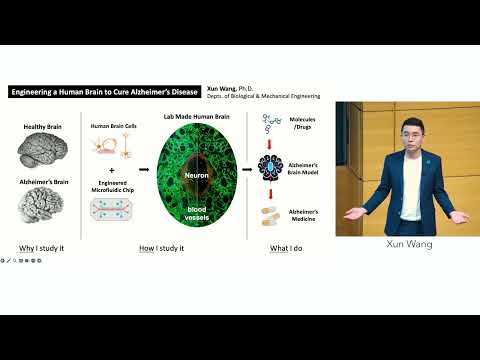
This research develops one of the most advanced human-engineered brain models to better study Alzheimer’s disease and test treatments. Using microfluidic chips containing all key brain cell types, blood-vessel systems, and Alzheimer’s-model neurons, the project enables efficient drug testing, personalised disease modelling, and the possibility of replacing animal testing in the search for a cure.