This research quantifies plastic use in U.S. agriculture, revealing 1.6 million metric tons used annually across crops and products. By identifying major sources and challenges to recycling, the work aims to guide sustainable alternatives, reuse, and recycling strategies that balance environmental, economic, and social needs in farming.

Fast fashion creates massive environmental damage through synthetic fibres, textile waste, and microplastic pollution. This research develops Ioncell, an eco-friendly, closed-loop technology that dissolves cellulose materials and regenerates durable, biodegradable fibres. It also enables recycling of cellulose textile waste, offering a promising sustainable alternative to synthetic fibres and reducing global textile pollution.

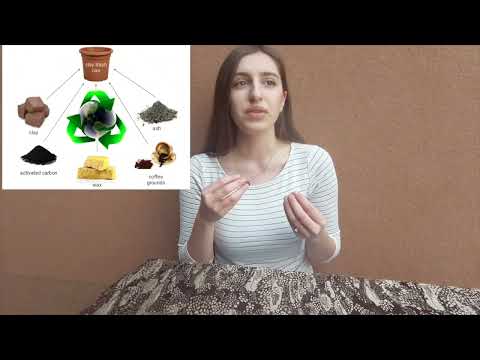
This project develops an odor-absorbing, environmentally friendly garbage bin made from clay, beeswax, and activated carbon. The porous carbon layer captures unpleasant smells, slowing detectable decomposition compared to standard bins. Future work will test waste-derived additives and create new sustainable containers to promote selective waste collection and environmental awareness.