This research investigates ground locomotion in bats, focusing on the endangered Eastern small-footed bat. Using treadmill experiments in the field, it reveals that bats can move effectively on the ground. Findings suggest ground behavior may be underestimated, with important implications for habitat use, risk exposure, and conservation strategies.

This research examines whether stormwater management ponds support bird biodiversity as effectively as natural wetlands. Focusing on red-winged blackbirds, it compares habitat quality and ecological drivers of species diversity. With widespread wetland loss, findings aim to improve pond design and retrofitting to better support wildlife within urban environments.

This research explores how urban environments can support pollinators despite habitat loss and fragmentation. It highlights the importance of diverse planting, connected green spaces, and less intensive maintenance. By rethinking urban design and aesthetics, cities can become viable ecosystems that sustain pollinators essential for food systems and biodiversity.

Although bumblebees are often considered generalist pollinators, this research shows that different species—and even males and females—prefer specific flowers and scents. By studying floral scent chemistry and bee visitation patterns, the work improves understanding of bee–plant interactions and supports conservation efforts aimed at protecting declining bee populations.

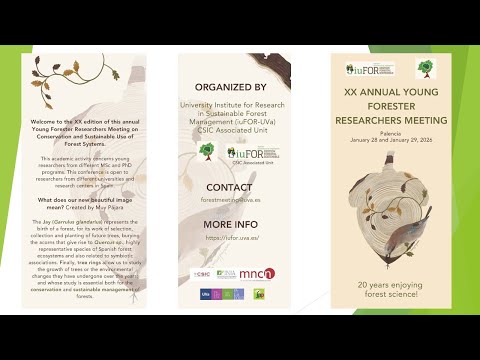
This study reviews how climate change affects European beech distribution and its alignment with the Natura 2000 network. Findings show declines in warm, dry margins, upward shifts in mountains, and limited northern expansion. Water deficit is the main driver. Effective conservation requires connectivity, adaptive management, and climate-informed protected-area planning.

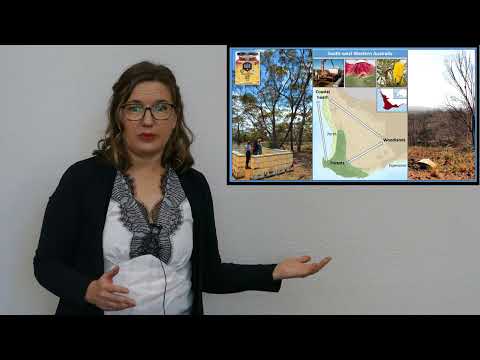
This research shows how declining honeybee productivity in Western Australia reflects broader ecosystem degradation. Beekeepers rely on healthy, biodiverse landscapes, but logging, fire regimes, and climate change reduce nectar availability. Integrating beekeeper ecological knowledge into land management can support pollination, biodiversity, and conservation outcomes for both agriculture and native species.