This neuroscience study shows that brief pre-lecture interactions significantly improve learning. Students who chatted with either a human teacher or an AI tutor before watching a video lecture performed better and showed greater brain synchrony in MRI scans. Social interaction—human or artificial—primes the brain for more effective learning.

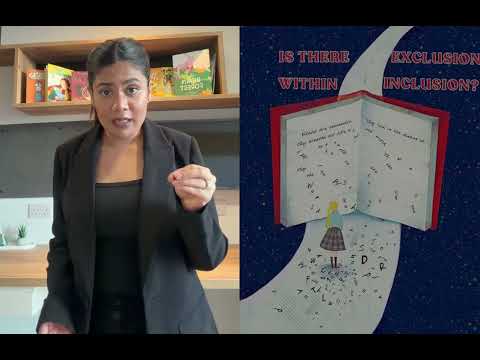
This research investigates how explicit morphology instruction improves literacy by helping readers infer word meanings. Through teacher professional learning and classroom interventions, the study shows gains in teacher confidence and student literacy, especially for learners with dyslexia, highlighting morphology as a powerful, equitable reading strategy.

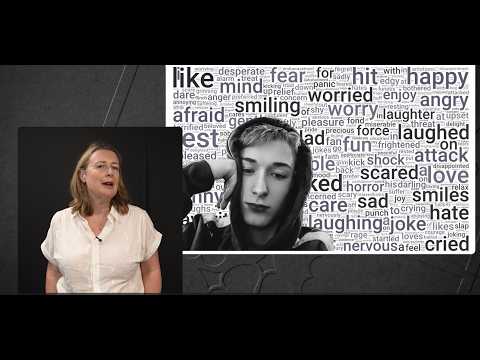
My PhD explores children’s well-being at ages 10–11 by integrating children’s voices with parent and teacher perspectives. Using child-centred methods, it identifies key influences during a critical transition. The research prioritizes children as experts, informing better measurement, intervention, and long-term understanding of how well-being evolves over time.