
This research explores whether altering bodily sensations can change emotional experiences. By manipulating perceived heartbeat, blinking, and muscle tension through wearable devices and virtual reality, it demonstrates that emotions can be reshaped without changing physiology, opening new possibilities for treating trauma, anxiety, eating disorders, and other mental health conditions

This research investigates how loneliness affects brain function across adulthood. Using brain imaging, it identifies age-related differences in activity within the caudate, a region involved in social reward processing. The findings suggest loneliness alters how people perceive social interactions, supporting the development of personalized, age-appropriate interventions to reduce chronic loneliness.
This research challenges the long-standing assumption that brain regions causing no errors during awake brain surgery are functionally unimportant. By measuring subtle delays in speech rather than errors alone, it introduces causal parametric mapping, offering surgeons a more sensitive way to preserve language function and improve patient outcomes.

2026
This neuroscience study investigated why time sometimes feels longer than it really is. By replacing simple geometric shapes with animal images, the researcher tested whether arousal or novelty drives temporal dilation. Results supported the oddball effect, showing that stimulus change, rather than emotional significance, was the primary factor influencing perceived duration.

This research investigates how communication between the heart and brain influences cognition and mental health. By studying heart rate variability, vagus nerve activity, and neural oscillations, it reveals a direct effect of heart rhythms on brain function, offering new insights into schizophrenia, mental illness, and body-based therapeutic interventions.
This study examines how children process the speech envelope, a key acoustic feature of language. Brain data from ages 4–18 reveal a developmental shift from left- to right-hemisphere processing. This newly identified trajectory may help detect language impairments and improve early interventions in speech and language development.
2026
This research investigates how sign language experience reshapes the brain’s visual system. MRI studies show expanded hand-processing regions and reorganised face areas in both deaf and hearing signers, even when learning occurs in adulthood. The findings highlight neural plasticity and reveal how visual language transforms perception and brain organisation.
2025
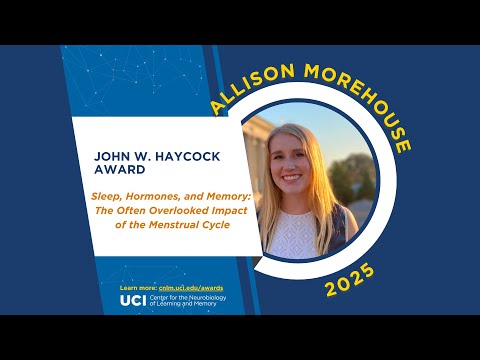
This research examines whether emotional sensitivity in women varies across the menstrual cycle by studying the interaction of sleep, hormones, and time. By tracking emotional memory at multiple cycle stages, the work aims to replace stereotypes with evidence and address long-standing gaps in women’s health and cognitive research.

2025
This neuroscience study shows that brief pre-lecture interactions significantly improve learning. Students who chatted with either a human teacher or an AI tutor before watching a video lecture performed better and showed greater brain synchrony in MRI scans. Social interaction—human or artificial—primes the brain for more effective learning.

Aphasia impairs language but not necessarily communication. My research explores how people with aphasia use nonverbal cues, interaction with conversation partners, and contextual support to communicate effectively despite limited language skills. By testing these elements in the lab, the work aims to improve therapy methods and real-world communication outcomes for people with aphasia.