This research examines mental health and help-seeking among neurodivergent young people. Northern Ireland data reveal substantially higher rates of anxiety, depression, suicidal thoughts and self-harm, alongside greater online help-seeking. The research evaluates digital mental health support and works directly with young people to develop more accessible, neurodiversity-informed services and guidance.

This research investigates how explicit morphology instruction improves literacy by helping readers infer word meanings. Through teacher professional learning and classroom interventions, the study shows gains in teacher confidence and student literacy, especially for learners with dyslexia, highlighting morphology as a powerful, equitable reading strategy.
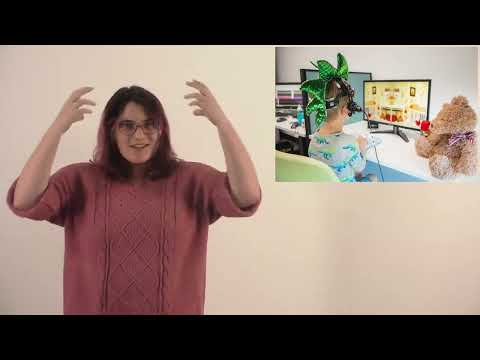
This research investigates how children use the left and right hemispheres for language and spatial reasoning. Using ultrasound while children play custom games, it shows that those with the typical left-language/right-spatial pattern tend to have stronger skills. The findings reveal how brain-activity patterns relate to developmental risks and complex tasks like reading.