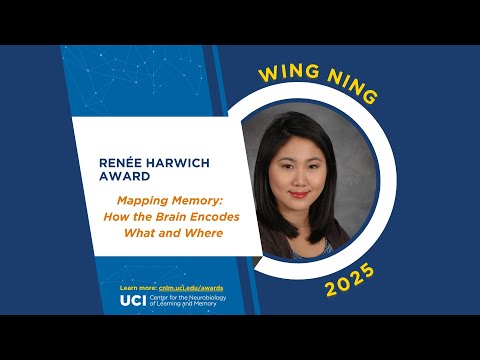
This talk describes research on how the brain learns and remembers by recording neural activity in mice navigating virtual environments. By studying hippocampal and cortical neurons, the work reveals how the brain builds cognitive maps of space and experience, offering insights into memory loss and Alzheimer’s disease.
This research proposes that psychotherapy works by reshaping cognitive maps in the brain, much like navigation. In depression, these maps become narrow and repetitive. By analyzing therapy language and concept networks, this work aims to make therapy more precise—helping clinicians visualize mental “stuck points” and guide patients toward healthier paths.