This talk analyzes public backlash to Kendrick Lamar’s 2025 Super Bowl performance using Victor Turner’s theory of social drama. Examining FCC complaints and media responses, it argues the NFL’s subsequent choice of Bad Bunny intensified cultural schisms, showing how controversy, polarization and outrage can become profitable rather than redressed.
2026
This research introduces the “signaling gap,” showing how states use controlled media to communicate positions they cannot express formally. Analyzing 174,000 articles, it finds that Russia-aligned countries signalled disapproval of the Ukraine invasion through negative coverage. The study bridges political science and intelligence practice, highlighting informal communication under constraint.
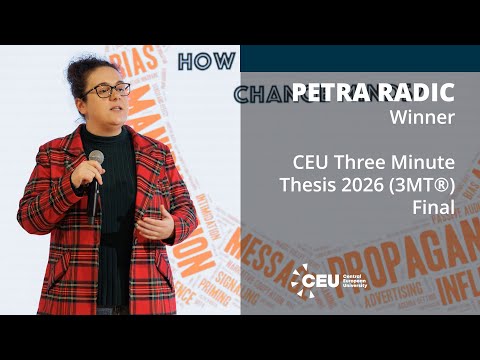
This research investigates how propaganda transforms beliefs, turning neighbors into perceived enemies. By analyzing decades of media data from democratically declining societies and testing persuasive mechanisms experimentally, the project identifies which narratives most effectively fuel polarization, ethnic hatred, and democratic erosion—knowledge essential for resisting modern propaganda.