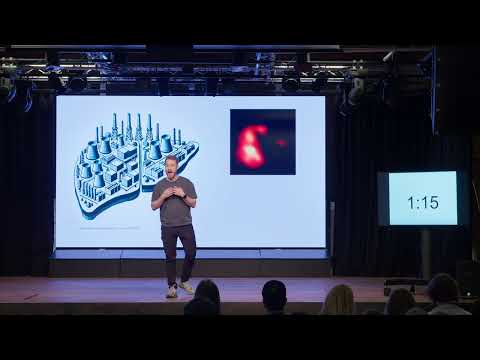
Liver cancer alters how cells use sugar long before tumors are visible. This research makes sugar detectable by MRI, allowing real-time imaging of cancer metabolism inside the liver. By revealing how tumors process energy differently from healthy tissue, the technique could enable earlier diagnosis, monitor treatment response, and improve patient survival.
Low-grade serous ovarian cancer frequently returns after standard treatment, and current targeted drugs eventually stop working. This research investigates why cancer cells become resistant, comparing them to prey that adapt to evade a predator. By treating patient-derived tumor cells with inhibitors and analyzing the genes activated in the resistant survivors, the research aims to uncover the mechanisms behind drug resistance and guide development of more effective therapies.
Uterine cancer deaths continue to rise despite advances in other cancers. Many patients who cannot undergo surgery rely on progestin therapy, which often fails. This research tests dozens of progestins on patient tumor and immune cells, identifying five more effective candidates. The goal is safer, personalised, fertility-preserving treatment for women with uterine cancer.
My research develops a gentle cancer treatment using ultrasound to activate specialised LDH particles inside tumour cells. These particles release ROS “micro-explosions” that kill cancer without surgery or chemotherapy. Enhanced with MRI-visible metals, the method offers a safe, targeted therapy that destroys breast cancer cells using sound instead of pain.
This research investigates a novel two-drug therapy for ovarian cancer that kills cancer cells without harming healthy tissues and partially reactivates the suppressed immune system. The PhD work explores how this immune “reawakening” occurs, aiming to identify new strategies to enhance it and create more effective, resistance-proof treatments.