
This research develops orally administered nanoparticle therapies for metronomic chemotherapy in ovarian cancer. By delivering smaller drug doses directly to tumours over extended periods, it aims to reduce side effects, overcome drug resistance, improve patient quality of life, and make long-term cancer treatment easier and more effective.

This research engineers immune T cells to better fight ovarian cancer. By modifying them to recognize tumor-specific proteins and resist cancer’s suppressive signals, the project strengthens the body’s natural defenses. The goal is to improve immunotherapy effectiveness, overcome tumor resistance, and increase survival rates for women facing this deadly disease.
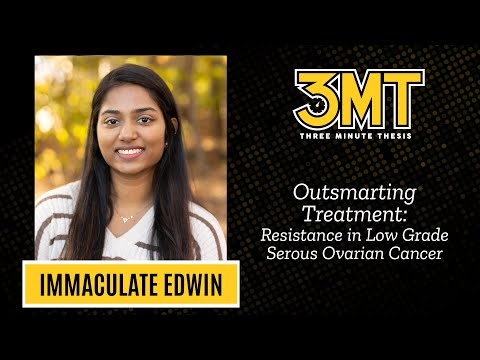
Low-grade serous ovarian cancer frequently returns after standard treatment, and current targeted drugs eventually stop working. This research investigates why cancer cells become resistant, comparing them to prey that adapt to evade a predator. By treating patient-derived tumor cells with inhibitors and analyzing the genes activated in the resistant survivors, the research aims to uncover the mechanisms behind drug resistance and guide development of more effective therapies.

Late-stage cancers often recur more aggressively after treatment. This research identifies the specific dendritic cell types found inside tumors, distinguishing “good” anti-cancer cells from “bad” tumor-promoting ones. Using this knowledge, a tailored dendritic-cell vaccine is being developed and tested in an ovarian-cancer-like mouse model to prevent relapse.
2025
This research investigates a novel two-drug therapy for ovarian cancer that kills cancer cells without harming healthy tissues and partially reactivates the suppressed immune system. The PhD work explores how this immune “reawakening” occurs, aiming to identify new strategies to enhance it and create more effective, resistance-proof treatments.