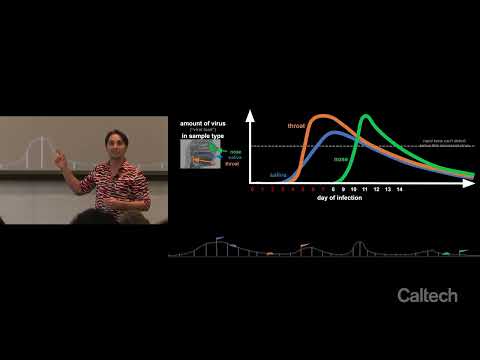
This study tracked viral load in saliva, throat, and nose samples collected daily from newly infected individuals. The findings show each sample type follows a distinct viral-load trajectory, with saliva and throat detecting infection earlier than nose. This has major implications for COVID test accuracy, sampling strategies, and future pandemic preparedness.
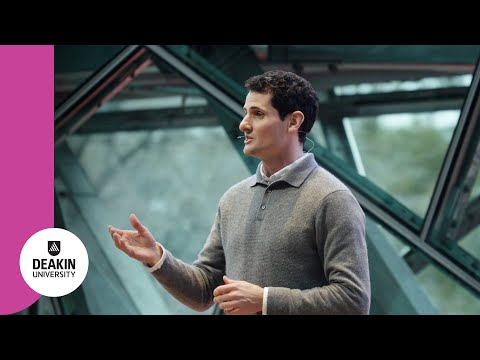
This research traces the legislative and accounting history of Australian government spending to uncover how public finances actually work. It shows that the government creates money and spends before taxing or borrowing. The real constraint is not affordability but inflation and resource availability, reframing debates about government spending and economic policy.
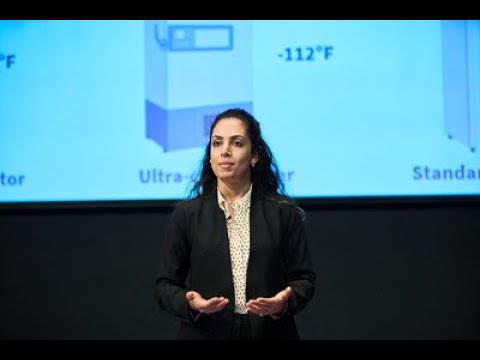
This research focuses on strengthening fragile mRNA molecules to create vaccines that are more stable, effective, and easier to distribute. By modifying mRNA structure to resist degradation, vaccines could be stored at higher temperatures and maintain potency, expanding access—especially in low-resource regions—and improving global readiness for future pandemics.
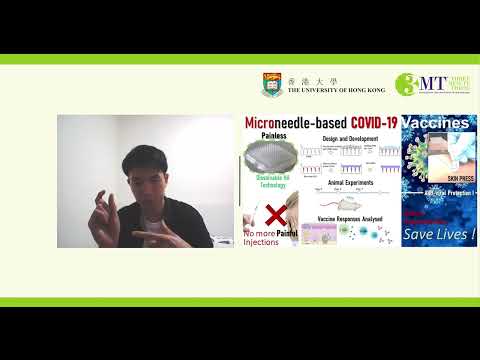
My research presents a self-administered microneedle patch made from hyaluronic acid that delivers vaccines quickly, painlessly, and effectively. Testing with a COVID-19 spike RBD antigen shows immune responses comparable to traditional injections. The patches are low-risk, easy to use, and can be stored at room temperature for a month—ideal for widespread vaccination.