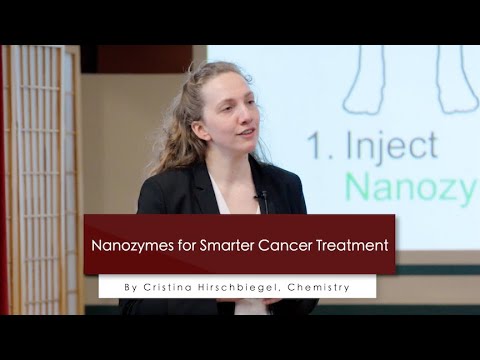
This research develops “nanozymes,” nanoparticle-based catalysts that activate cancer drugs directly at tumor sites. Instead of carrying large amounts of chemotherapy drugs, nanozymes locally trigger inactive drugs into their active form only within cancer tissue. Early mouse studies show effective tumor destruction with significantly reduced side effects compared to conventional chemotherapy.
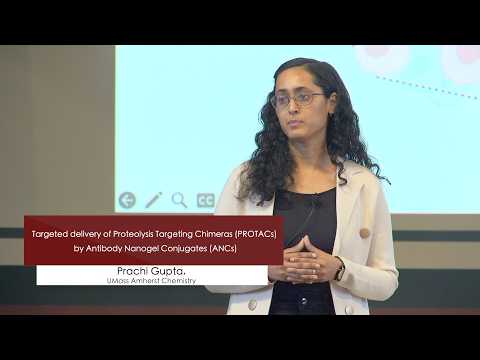
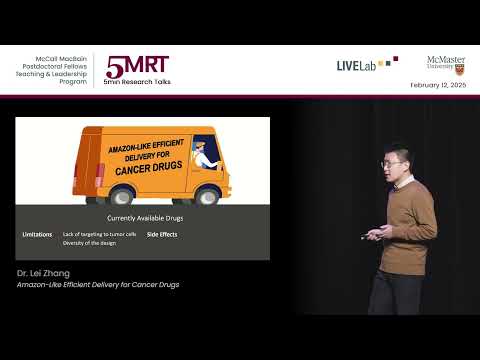
This research develops nanoscale “smart package” delivery systems for PROTAC cancer drugs. Antibody nanogel conjugates selectively target cancer cells, enter them, and release therapeutic molecules while minimizing exposure to healthy tissue. The approach improves delivery efficiency and aims to reduce the severe side effects that often limit cancer treatment.
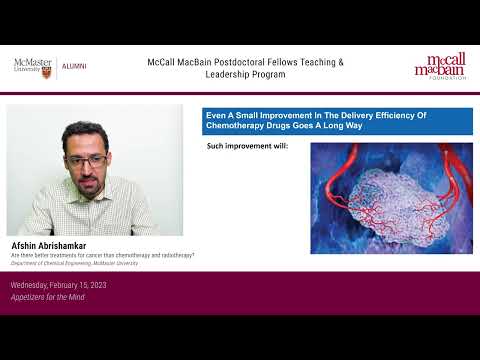
his talk outlines the scale of cancer in Canada and argues that traditional chemotherapy, while important, is limited by toxicity, discomfort, and poor tumor targeting. It highlights promising newer approaches including nanoparticle drug delivery, liposomal therapies, complex nanotherapies with imaging and heat generation, and future possibilities such as cancer vaccines.
This research develops peptide-based drug delivery systems to improve cancer treatment targeting. Unlike conventional therapies, peptides can selectively bind tumors, reducing systemic side effects. Using AI to design high-affinity sequences, the system enhances precision delivery and efficacy, demonstrated by reduced tumor growth in vivo compared to non-targeted treatments.
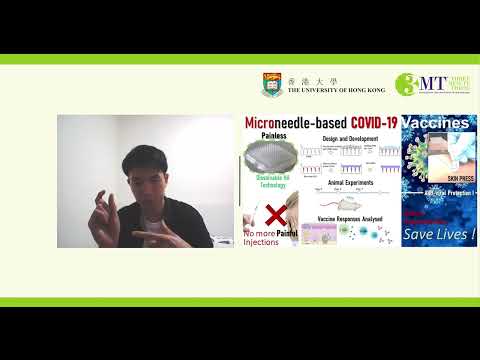
My research presents a self-administered microneedle patch made from hyaluronic acid that delivers vaccines quickly, painlessly, and effectively. Testing with a COVID-19 spike RBD antigen shows immune responses comparable to traditional injections. The patches are low-risk, easy to use, and can be stored at room temperature for a month—ideal for widespread vaccination.