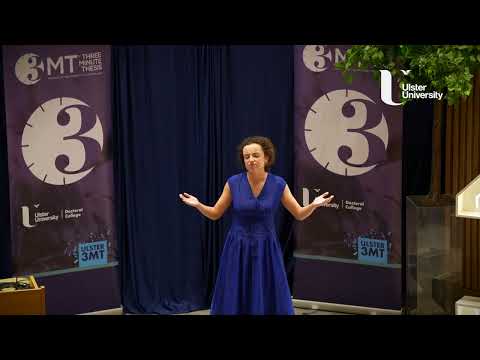
This research investigates whether Alexa can support speech practice for people with Parkinson’s disease. After eight weeks of home use, nine of ten participants developed stronger voices. Although not a replacement for professional speech therapy, voice assistants could provide accessible, everyday opportunities to practise louder, clearer speech outside clinical settings.
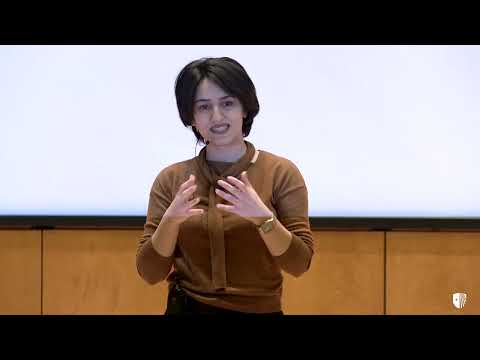
This research investigates sound length in speech, comparing its physical and mental representation across languages. While English treats length as phonetic variation, languages like Japanese use it meaningfully. The study focuses on Persian to improve speech recognition and therapy, helping determine how sound duration is perceived, produced, and processed cognitively.
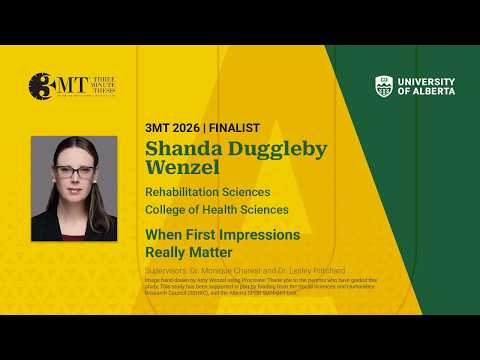
This research examines parents’ experiences of early speech and language assessments. It highlights emotional stress, inequities in access, and lack of diverse representation in existing research. By incorporating diverse parental perspectives, the study aims to inform resources, clinical practice, and policy to improve engagement and outcomes in speech therapy.
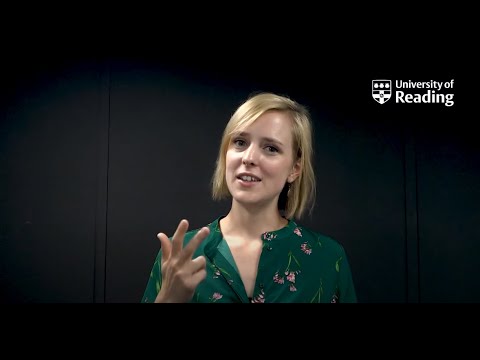
Aphasia impairs language but not necessarily communication. My research explores how people with aphasia use nonverbal cues, interaction with conversation partners, and contextual support to communicate effectively despite limited language skills. By testing these elements in the lab, the work aims to improve therapy methods and real-world communication outcomes for people with aphasia.