
This research investigates how exoplanets form by analyzing the chemical fingerprints of their host stars. Using stellar abundances and galactic archaeology, the work explores how rocky material shapes planetary systems, whether stars consume planets, and how common Earth-like worlds may be throughout the Milky Way.
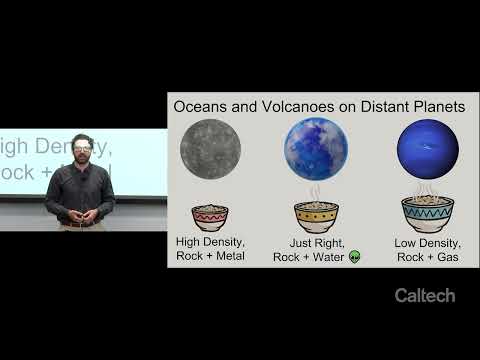
This research identifies potentially habitable rocky exoplanets by measuring their densities, water content, and internal heating through orbital interactions and transit observations. Using these techniques, several promising ocean and volcanic worlds have been identified as targets for the James Webb Space Telescope in the search for extraterrestrial life and habitable environments.