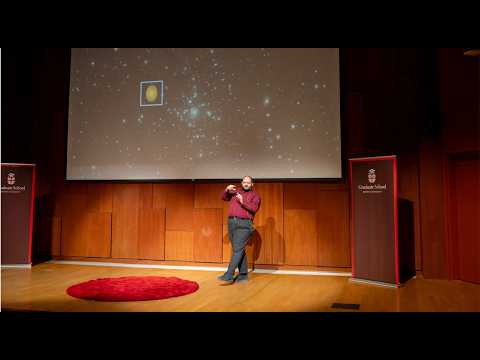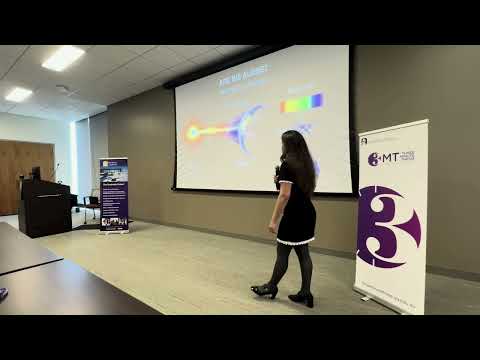
This research investigates the tilt of exoplanets to understand their formation and evolution. By developing a new measurement method, it identifies a Uranus-like tilted planet and enables broader study of planetary systems. These insights help reveal climates, histories, and potential habitability of distant worlds beyond our solar system.
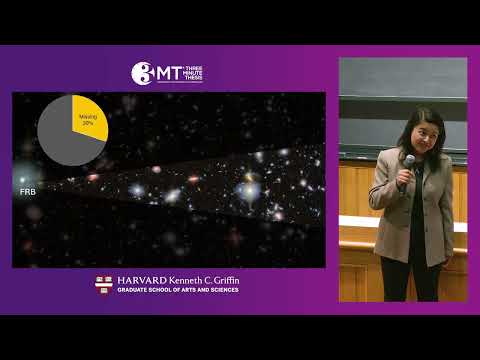
This research uncovers 400 “zombie stars”—dead white dwarfs revived through collisions with companion stars. Their dramatic brightness changes allow astronomers to detect them and use them as probes into the galaxy’s ancient history and future evolution. These rare reanimated stars offer a powerful new tool for understanding the Milky Way.