
This research examines how continuity of care at Federally Qualified Health Centers affects low-income adults as they age into Medicare eligibility. Using national Medicare and Medicaid data, it investigates whether maintaining long-term primary care relationships improves health outcomes, informing policies that strengthen community healthcare services and support healthy ageing.

2026
This 3MT® presentation describes how artificial intelligence can help non-specialist clinicians diagnose deep vein thrombosis using AI-guided handheld ultrasound devices. By enabling faster point-of-care diagnosis in GP surgeries, the project aims to reduce hospital referrals, improve accessibility for vulnerable patients, and help healthcare systems manage increasing clinical demand more efficiently.

2025
Hospitals face growing workloads and staff burnout. This study tested simulation-based team training in hospital departments and found improved workplace culture and a 1% reduction in sick leave. Though small in percentage, this translated into nearly 10,000 working hours saved in one year, highlighting training as a powerful tool to support health care staff.

2025
This research explores how personality traits influence patient safety among nurses and midwives in Ireland. Survey findings show that agreeableness, conscientiousness, and openness support safer care, while neuroticism may increase risk. The study proposes personality-tailored safety training to improve communication, teamwork, and life-saving performance.
2024
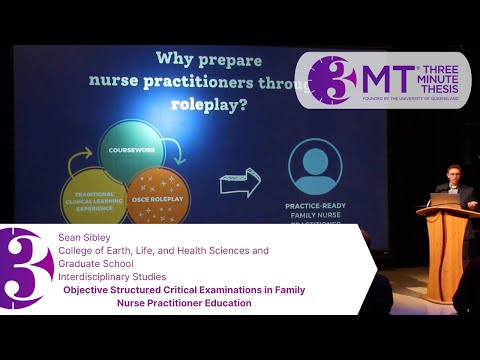
My research examines how OSCE (Objective Structured Clinical Examination) role-play simulations help prepare nurse-practitioner students for real-world primary care. Interviews with recent graduates show role plays build confidence, teach communication and clinical routines, and improve readiness for complex cases. Following best-practice guidelines enhances learning. Expanding these simulations could strengthen primary care, especially in underserved rural areas.